
Art has always been a deeply rooted connection for humanity, serving as a universal language that brings people together. For Charleen Kavleski, a conceptual artist and educator, art is not just a practice but a lifelong passion.
Sponsored Content
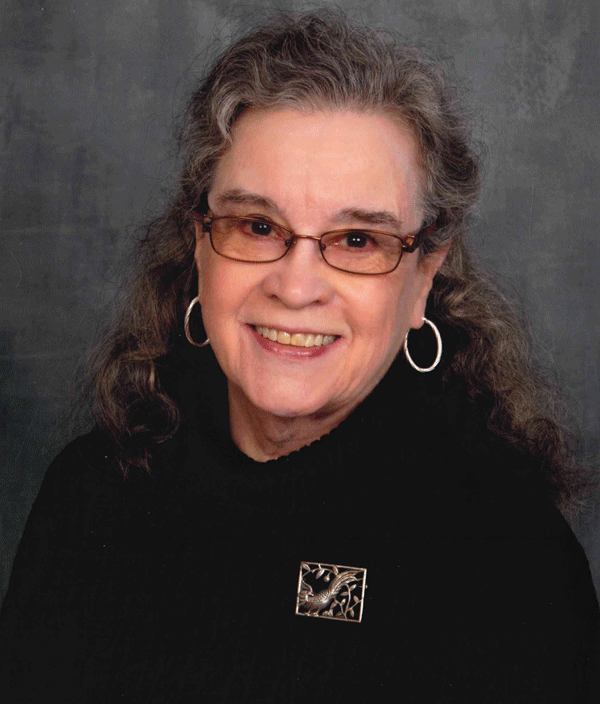

In a small community with a city-like diverse student body, a teacher enjoys a humanistic approach to the teaching of art. A blending of different genders, religions, socio-economic backgrounds, races, countries of origin, academic abilities, and values in these youngsters presents a special opportunity to teach them about themselves and others. They are young enough to initiate a future understanding and tolerance. For some of them, it is their first experience with student diversity.
Necessitated by the small size of the room, controlled student interaction is enhanced by systematically rotating student seats and monitorial duties. Everyone has a job to do from passing down student folders to a collection site to passing out art materials.
Projects are varied but include those which promote individuality inclusive of the making of illustrated books, working with studies for stained glass windows, “spirit home” mask making, Sumi-e painting with poetry, drawing and painting of self portraits and figure drawing from students in their own chosen attire.
To their own surprise and that of others, many academically disinclined students do excellent observational drawings especially from still-life set ups. The making of art can be inclusive in many different ways.
In addition to displaying art work in the classroom, art is also shown in an annual art show, and in a quarterly writers’ and artists’ digest. This work sharing is important for a special kind of acceptance and respect for self and others.
The enjoyment of these varied students and their work continues for 31 years. It is enriched by the teacher’s own involvement in art and attendant trips to museums and city galleries, along with many readings which she shares with her students.
At the end of her teaching career, Mrs. Kavleski was presented with a “Golden Teacher Award” by her school’s Board of Education. To her delight, her teaching was cited as an influence by a former student in her becoming an art teacher. This student, Brenda Swalski, was celebrated as “Art Teacher of the Year” by Region 7 of the “New York Art Teachers’ Association.”
Charleen Kavleski’s Journey in Art and Inspiration
Art has always been a deeply rooted connection for humanity, serving as a universal language that brings people together. For Charleen Kavleski, a conceptual artist and educator, art is not just a practice but a lifelong passion. With decades of expertise, she has dedicated her career to blending systematic, unexpected, and creative approaches to art, drawing inspiration from her family’s history of quilt-making and masonry work. Along the way, she has also sparked creativity in countless students, showing them how to harness their imagination.
What is conceptual art? At its core, conceptual art is defined by its ideas. It focuses on the underlying message and the thought process behind the creation itself. Conceptual art encourages introspection, challenging viewers to analyze and interpret the artist’s message. Physical manifestations can be palpable and infinite as with Kavleski’s sculptural manifestations.
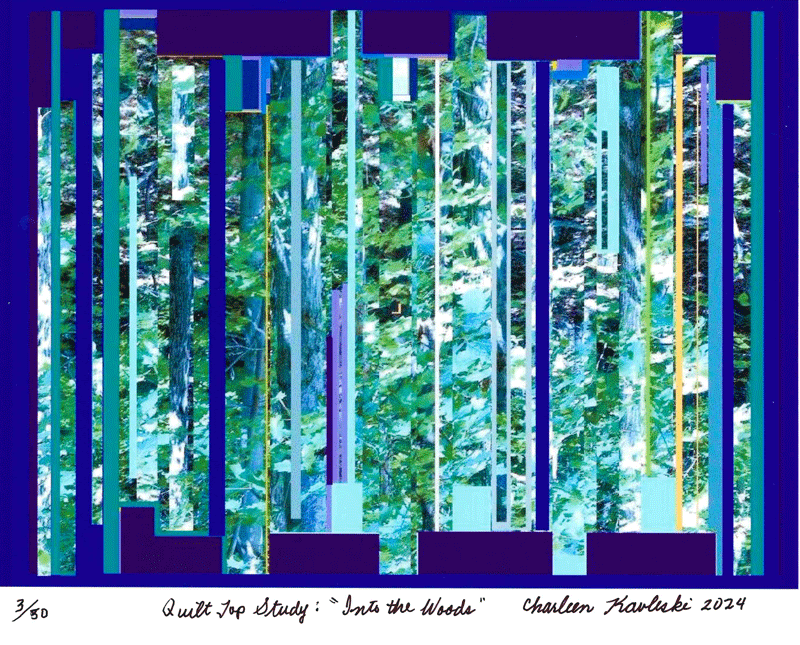
For Charleen, conceptual art is more than a genre—it’s a platform where she merges her upbringing with her creative vision.
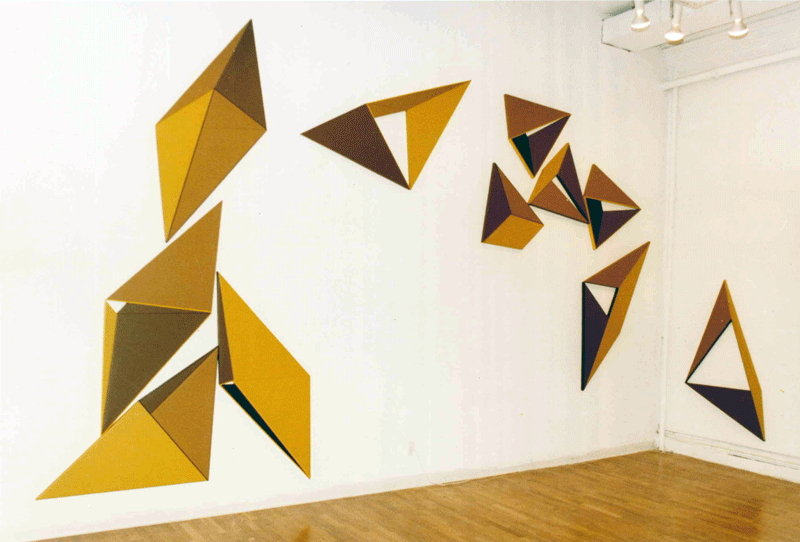
‘A Creative Foundation Shaped by Family‘
Growing up in Ulster County, New York, in the 1950s, Charleen was surrounded by artistic influences even before she realized it. Her creative spark ignited as she spent time watching her grandmother craft quilts with scraps her father—an expert mason—brought home from construction jobs. These materials became Charleen’s playground and her first exposure to the creative process.
“In hindsight,” Charleen shared, “having my family, free time, and unique materials really shaped my early connection to creativity.”
Although her town lacked museums or artistic resources, Charleen made the most of her circumstances. She frequented libraries to learn about renowned artists and studied art during high school. Her aptitude for the arts became clear early on, even if the path to higher education was uncertain.
During an era when few women were encouraged to pursue college, Charleen relied on her determination. After attending a community college, her professors recognized her talent and inspired her to aim higher. One professor introduced her to the Indiana University art school, where she eventually secured a scholarship.
It was during this time in the early 1960’s, in a design class, that Charleen met her future husband, Michael, another artist. Their later marriage took them to Indiana where Charleen continued her training at Indiana University until subsequent transfer and graduation from SUNY New Paltz. Their shared love for art led to a beautiful collaboration that lasted for nearly 47 years. Together, they supported each other’s creative journeys, from running an antique and art business to providing constructive feedback on each other’s work.
Charleen’s pieces capture movement and rhythm, inspiring viewers to see art in motion—a concept she describes as “dancing on walls.”
‘Conceptual Art Meets Educational Influence’
Charleen’s artistic style blends concepts she absorbed from her childhood and professional experiences. It was during graduate school at SUNY New Paltz that she began defining her unique voice, combining systemized grids with sculptural creativity. A key breakthrough came when she developed works inspired by how quilts and masonry grids could form dynamic visual pieces.
Her pieces capture movement and rhythm, inspiring viewers to see art in motion—a concept she describes as “dancing on walls.” Her exhibits, including one at the renowned Amos Eno Gallery in New York City, left her audiences captivated.
But Charleen’s influence doesn’t stop at her artwork. Teaching art to children became an equally rewarding passion. For her, witnessing how imagination blossoms in young minds was truly magical.
“It was incredible to see their excitement and watch how they applied knowledge to create something entirely their own,” Charleen shared.
She even had a unique routine of standing on her desk to guide students better and help them see connections between their work and famous artworks depicted on posters in her classroom.
When asked whether art remains relevant in the digital age, Charleen is optimistic. Technology has expanded access to art, connecting creatives across the globe, allowing virtual museum tours, and introducing new forms like digital art and multimedia projects. However, she emphasizes that traditional hands-on art retains a unique, irreplaceable magic.
“The transportive feeling of creating something with your hands is indescribable,” she said. “Watching my students immerse themselves in their work was truly inspiring.”
‘A Full Circle of Creativity’
Charleen’s artistic career reflects a full-circle moment—from childhood memories of her father working with masonry to spotting similar stacked cement blocks as displays in a New York gallery. She continues finding inspiration in her roots, seamlessly connecting her past to her present creations.
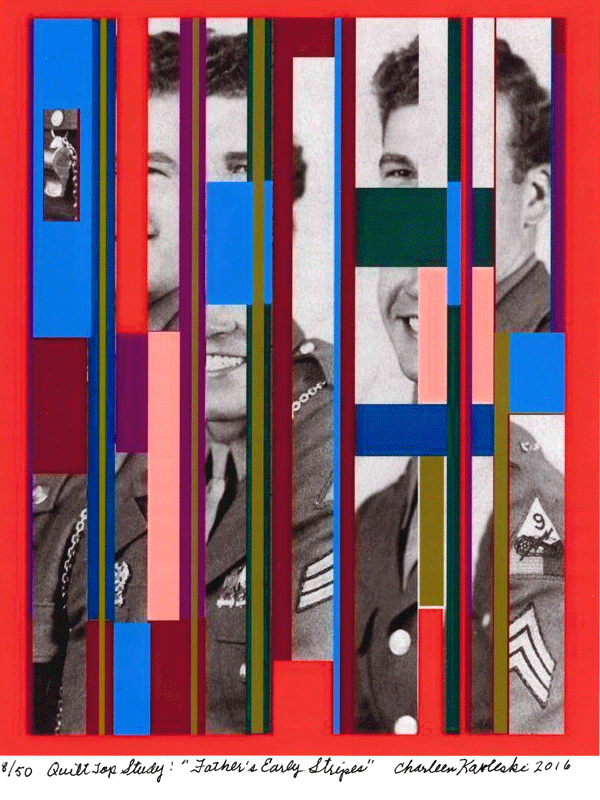
Currently, Charleen works on quilt-inspired art pieces paying tribute to her family’s artistry and history. Having earned awards for both traditional paintings and digital prints, she shows no signs of slowing down.
For Charleen, art isn’t just about creation—it’s about connection and discovery. Whether through her students, her family history, or her ongoing work, Charleen Kavleski demonstrates that art holds infinite possibilities for those willing to explore them.

Since its inception, The National Digest has been dedicated to providing authoritative and thought-provoking insights into trending topics and the latest happenings.

