
In medicine’s vast and ever-evolving landscape, every practitioner’s journey is a unique blend of challenges, breakthroughs, and moments of profound insight.
Sponsored Content
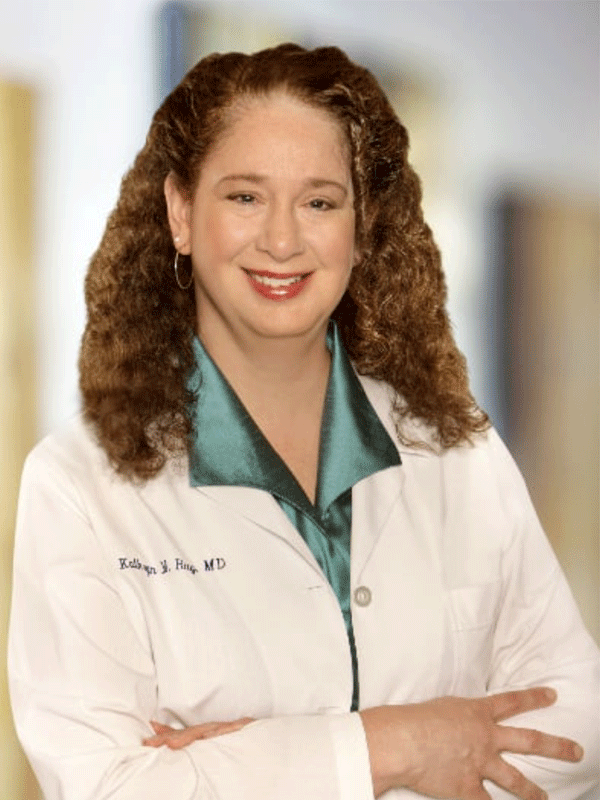

The field itself, a complex interplay of science, ethics, and empathy, demands intellectual rigor and a deep commitment to the welfare of others. Dr. Kathryn M. Ray’s journey into the world of obstetrics and gynecology shines as a beacon of passionate dedication and a deep-seated desire to make a real difference in women’s health care.
Medicine is a realm where the art of healing meets the precision of science, creating a space for advancements that continually push the boundaries of what’s possible in patient care. Beyond her accomplishments as an OB-GYN, Dr. Kathryn M. Ray, MD, FACOG, also brings a personal perspective to her practice, Midwest Center for Women’s Healthcare, through her work as a life and weight-loss coach.
Drawing from her own transformative journey of losing over 100 pounds after battling with being overweight, she combines her medical expertise with holistic approaches to support her patients not just in reproductive health but also in achieving their overall wellness goals. This dual role underscores her commitment to treating the whole person—integrating the physical, emotional, and mental aspects of health into her care.
Dr. Ray enthusiastically shares the transformative experience of pursuing a career as an OB-GYN. Her passion for medicine gradually unfolded throughout her journey, revealing her true calling.
“My father was a physician, so I kind of grew up exposed to it, but it always felt like it was something that I was supposed to do. It wasn’t from a place where I have to do this for my family; rather, that’s the identity I saw in myself even as a kid.”
During her third year of medical school, she and other students had the opportunity to explore different types of medicine to choose their concentrations. She found herself captivated by and gravitating towards women’s health, particularly pregnancy and newborn care, as her area of focus.
“I realized that what I really wanted to do was take care of the moms to prevent them from having premature babies, and I realized in training before I went to residency that every time I was in one of my rotations, I gravitated towards the health and wellness and medical problems of women. So I was like, okay, I get the message. This is where I’m supposed to be.”
She also had an “aha moment” while driving back home one day during a holiday break. The weather was terrible, and she was trying to keep her mind busy to maintain her attention for the lengthy drive. She reviewed medical lessons from school in her head and imagined hypothetical trauma scenarios she may run into on the side of the road. She theorized how she would approach treatment.
“I think I passed an ambulance on the side of the road in the process of driving home, and my brain immediately went to, okay, imagine it’s a pregnant woman. What would I do if this was all I had to work with? And I kind of went, okay, why would I pick that patient for trauma on the side of a road instead of it being anyone else, like a child, a man, just a car accident? Why does a woman have to be pregnant?”
Her passion for women’s healthcare became increasingly pronounced. After years of hard work and dedication, she successfully earned the necessary degrees and pursued a career as an OB-GYN. Today, her passion for the field remains unwavering as she speaks on the inequality that still lingers in the treatment of women.
“I still see some challenges regarding awareness and equality in health care. Many of the studies and treatment plans in caring for certain medical problems like hypertension and cardiac disease were all studied in men, and women were left out of those studies. Even the signs and symptoms of a heart attack are different most of the time in a woman than they are in a man, and it took many years for us to figure that out. Also, currently, in the political world that we’re living in, women’s health and women’s reproductive rights are really being challenged.”
According to her, various factors contribute to the gaps in medical education, including funding, research, and bias of the people doing the research.
“Many of the reasons they left women out of some of the studies was because we have menstrual cycles, so our hormones change throughout the month. They didn’t know how that would be a variable that would change potentially what they were looking for, so they couldn’t equate women to men in the studies. So, they just opted not to put them in the studies and assumed that whatever worked for men would work for women.”
There is also still a disparity in payment for services rendered by insurance, which leads to an inequality in compensation. She notes that the fee base paid back to providers is lower. “You try to do more to make more so that you can pay your staff, keep your doors open, and live a lifestyle you feel you deserve.”
Another critical issue in women’s healthcare is the high maternal mortality rate in America, with significant gaps in pre and post-natal care.
“For a country that is so advanced, we have a pretty high maternal mortality rate. Whether that has to do with access to health care, paying attention to certain medical concerns, or patient education, there are many different pieces to it. But I still think that’s something we really need. Being an obstetrician at heart in what I originally went in to do, that’s hard.”
Dr. Ray states that there are a lot of factors that come into play, including preterm birth issues and mortality or morbidity issues that occur from blood pressure concerns. “And sometimes those are even stratified out to be race-related.”

“Some of that is related to understanding what’s actually happening from the patient’s standpoint or understanding what’s happening from the provider’s standpoint, asking appropriate questions.”

For this reason, she prefers lengthier visits, with the minimum duration being 20 minutes. In her practice, she stresses compassion and individualized care, emphasizing less blame and judgment and more focus on curiosity about why something has occurred and actionable ways to address it.
“The world of business and electronic medical records systems entering medicine came about to make medicine more like business, profitable, and cost-effective. It has created an environment that leans more towards how many people you can get through in a period of time, how many buttons you can click on a computer, and how many questions you can ask that someone else has decided are important as opposed to what the interaction with that patient says to figure out the issue and a workable solution.”
According to her, there seems to be a focus on teaching medical students and nursing students to adhere to an algorithm to enhance patient safety. However, she raises the concern that critical thinking may not be receiving the same level of emphasis in their education.
“How is my patient deviating from the ‘perfect patient’ following the path down this algorithm? And if they deviate, what do I need to do in the treatment plan to aim my treatment towards that deviation? How do I need to think outside the box? If it was just following an algorithm, anybody could do my job. But you have to understand the gray zones that don’t follow that algorithm exactly.”
Her approach and that of her colleagues emphasize treating the whole person holistically. She says that diet, amount of exercise and stress all affect health changes. It’s not an isolated process. She observed this in her own journey through insulin resistance and prediabetes, along with observing patients who struggled with PCOS and infertility. “I think I’ve always wanted to know more about what’s going on in the story,” she says.
“Even just in the regular world of treating patients for an infection or for birth control, if they’re not compliant with what you gave them, there could be so many reasons for why they’re not compliant. Is it because the medicine was too expensive? Did they not have the ability to get to the pharmacy? Did they have some side effects they’re afraid to tell somebody about? Were they embarrassed to use it? What are the reasons behind it? That’s the holistic approach instead of just saying, ‘Well, you didn’t take the medication, you’re not compliant, why?’ If you don’t ask the questions, often you don’t get to the source.”
Dr. Ray made the decision to expand her practice by incorporating life and weight loss coaching. With personal experience battling weight issues, she found a strong sense of empathy towards her patients. In the past, she faced various challenges, such as injuries, work-related stress, and sleep deprivation, which led to significant weight gain. Food became her source of comfort and enjoyment during this time.
“I myself had insulin resistance, prediabetes and high blood pressure. I decided in 2019 that I needed to make a change because if I kept going in that direction, it would not be a good health state for me and would shorten my life and career.”
She discovered a weight-loss program specifically designed for women in the medical profession. It provided her with valuable insights that extended beyond just weight-loss tips, delving into the realm of life-coaching. Dr. Ray learned about the myriad of factors involved in weight loss. Over the course of 18-20 months, she managed to shed an impressive 110 pounds.
“It’s about learning your beliefs and thoughts about being hungry. What are your beliefs and thoughts about certain foods? Then, look physically at the chemistry behind what’s happening in your body. So that was so helpful for me that I started slowly giving my patients the information that I had, and I realized that I really wanted to be trained to be able to do that.”
She got certified through a life and weight loss coaching program. To this day, she continues attending coaching programs and has her own coach, focusing more on wellness from a physical, spiritual and mental standpoint.
Dr. Ray approaches her coaching from a place of humility, admitting she sometimes struggles with gaining a bit of weight back before losing a little bit more. “Food for me is definitely one of the things I love about life. I consider myself a foodie.”
“I like to enjoy and try new foods, which means I need to constantly pay attention to whether I am eating because I’m hungry. Have I had enough food? Or is this now an emotional thing for me? And I take a lot of the struggles that I go through into my coaching. I’m honest with my patients about what I’m going through and how it’s working or not working for me. But I’m also leading them to find their own answers.”
The foundation of her coaching revolves around empowering her patients and assisting them in discovering their own needs and preferences. She achieves this by fostering curiosity and self-awareness, encouraging individuals to pay attention to the events unfolding in their lives and how their bodies react to various types of food.
Then she brings the medical aspect into the equation, understanding their hormones and physical needs regarding calorie count and deficit.
“You can also reach that through focusing on the actual physical symptoms in your body when you’re hungry and when your body’s had enough food. We tend to ignore some of those physical symptoms, which leads us to overeating.”
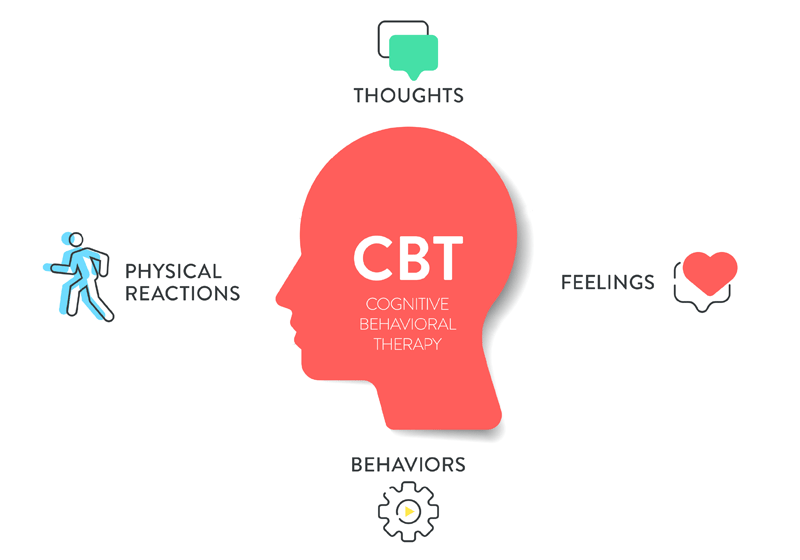
The focus of her coaching goes beyond just examining nutrition and food choices. She emphasizes the importance of addressing behavior and belief patterns. She utilizes principles from Cognitive Behavioral Therapy to assist her patients.
“You’re looking at their thoughts and beliefs about what’s going on. It helps them understand how their way of thinking creates certain results. If they can have compassion for themselves about how that thought process came about, then they also have the power and choice to change those thoughts and actions. And so, a lot of it is helping to lead them to create their own plan.”
The process is one of trial and error, which she observed through her own journey. She took note of how different foods affected her body. “What would happen in how my body physically felt as far as pain or joint issues or face breaking out or hair loss or weight gain?”
With a keen eye for detail, she carefully considers the physical aspects and skillfully incorporates her medical expertise. However, her true passion lies in exploring the realm of emotions, thoughts, and behaviors.
“We try to make it so that what they’re doing is less restrictive, less diet society, diet world, diet beliefs and more what does my body want and need me to do to be healthy?”

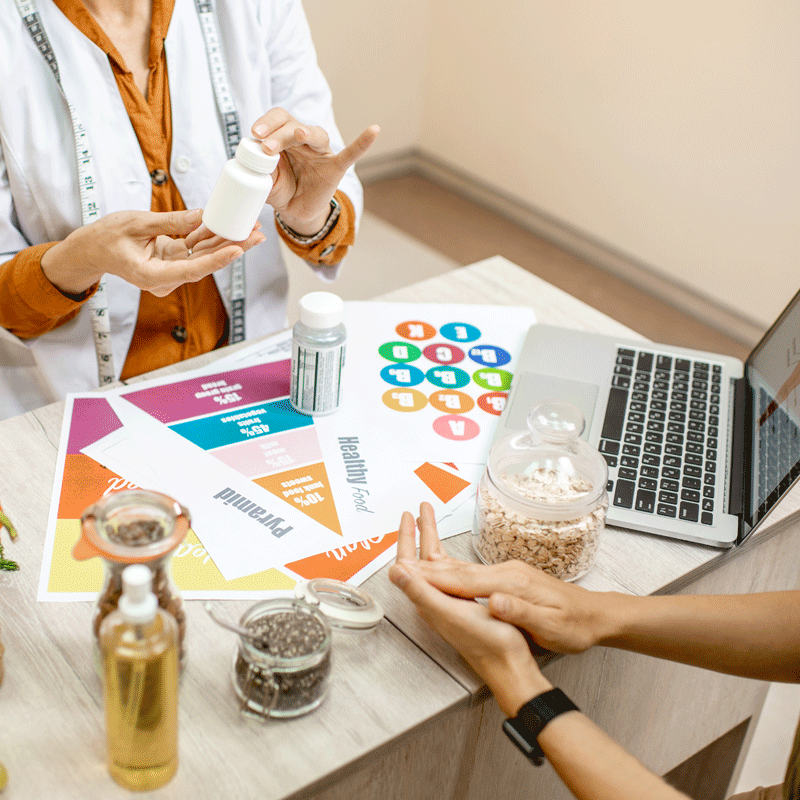
On the first day of coaching, she reviews their medical history, looks for what medications they’re on, what medical problems they may have, allergies, specific lab work directed at cholesterol panels, blood sugar, insulin, nutrient deficiencies, and diet.
“Because if they have diabetes, I may be addressing their food changes a little differently than if they do not have diabetes. If they’re vegetarian, I’ve got to look at where they’re getting their protein from. Are they getting enough iron? Are they getting enough B12?”
She will inquire about the effects of their weight on their lives thus far. “For some people, it wasn’t a problem until they had kids. For others, they’ve had a problem since they were teenagers.”
Additional factors she discusses include the influence of conversations about weight and the modeling behavior of parents or friends during one’s formative years.
“Often, we create many of our ingrained beliefs around food based on how we’re raised. Was there food scarcity when you were growing up? Were you taught that eating candy was bad? Was it always around, and could you have it? Or not have it? Were you a part of the clean plate club? Did you learn that you had to eat whatever you put on your plate because that was required of you as a child?”
As part of her consultation process, she asks about her clients’ previous weight loss attempts and their feedback on those methods. “
“Some people absolutely cannot stand tracking points. Some people like tracking points. Some people like the feeling of control that they get from that. Others want it to be less strict and a little bit more free flow.”
After the appointment, she takes the time to ask the client about their motivations for seeking a weight-loss program and what they hope to achieve from it.
“I use the why term because, for some people, it’s really important to know the reasons why you want to make a habit change. We have to become aware of the habit to be able to change the habit. If we’re only doing it for what’s a superficial reason in our brain, we’re less likely to catch ourselves and change the habit.”
She shares an example related to physical injuries she endured years ago, which caused significant pain. Engaging in physical activity and maintaining stability became increasingly challenging.
“I was always tired, and I loved to travel, but I was big enough that I was uncomfortable sitting in a regular plane seat and had to ask for a seatbelt extender. Or I had to purchase a first-class ticket to travel, not because I wanted to treat myself and travel in style, but because I couldn’t fit in another seat. So, I stopped traveling.”
She made it one of her goals to be able to travel again and to sit comfortably in a plane seat. Envisioning this helped her whenever a drug rep brought cookies, candy, cupcakes, or something to the office.
“I would think, do you really want that particular cookie, or do you want a much better tasting cookie than that at a point in time when you plan to have it instead of when you didn’t plan to have it? I mean, if I’m going to eat it, it’s going to be good. If I’m going to have the calories and the sugar that takes me a step away from my goal, then I want to know that the calories and the sugar I’m having are really good. The coach that I have right now calls that ‘getting snobby with my extras.’”
Dr. Ray also works with an ex-lawyer turned style coach named Judith Gaton. They work on her ability to look into the mirror and not pick herself apart.
“Her biggest thing is that you are the buyer, and the clothes are not. It’s not that the clothes are fine and you’re wrong. It’s that they’re just not made for you. Then we learn how to look at our bodies and figure out what clothes are made for us. Where can I shop for them? Do I need a tailor to take something in to make it fit me better and match my style better?”
Recognizing the many factors that come into play in a weight loss journey, Dr. Ray will refer people to different coaches with other specialties. “My goal is to take care of people, which has always been as far as the care I give goes. It’s been to care for them and give them what they need. It doesn’t necessarily have to be me who provides it.”
Right now, she offers coaching services alongside her standard medical services. Many individuals frequently expressed their financial constraints when it came to affording a coaching program. However, they found solace in the fact that their insurance could provide coverage for such programs, as weight loss was medically necessary.
With a strong emphasis on building trust, she firmly believes in the importance of establishing a solid foundation with her clients as a coach. When she started her own journey, she took part in group coaching. Nevertheless, she realized that anonymity is a luxury that is hard to come by in close-knit communities. Due to this, her primary emphasis is on providing personalized coaching.
Regardless, confidentiality is part of medicine. “There’s HIPAA rules to what I do because it’s part of the medical record. And I don’t necessarily put descriptive terms of traumatic situations that we may be talking about. It’s more in the standpoint of what the theme behind it is.”
She may note that they spoke about empowerment, choices, decision fatigue and food planning. Or it could be about biases and buffering.
“It’s more understanding what that type of thinking that you’re doing is creating in your real-life world. Then, you get to the point where you might be ready to change it to something else. If you’re still having lots of resistance and problems with even understanding how you got from point A to point B, then you may not be ready to move to point C yet.”
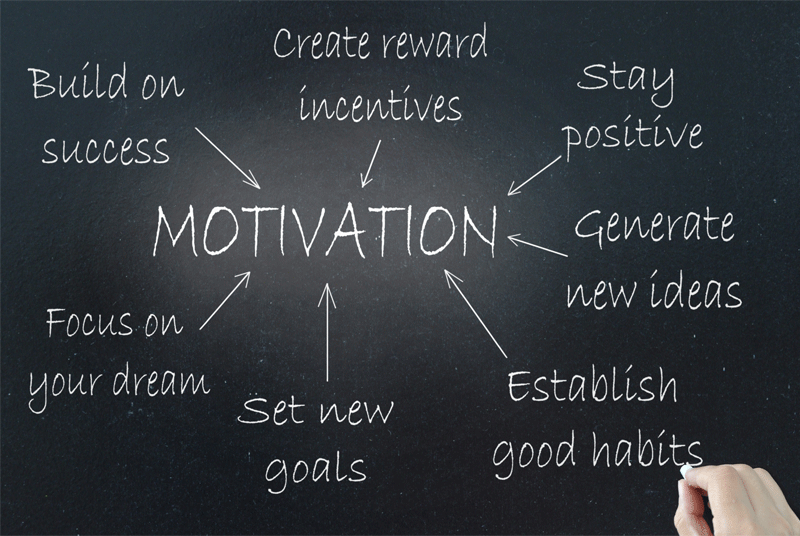
Dr. Ray highly values, encourages, and respects autonomy as a coach. She aims to empower her clients rather than create a sense of reliance on her.
“I mean, essentially, my job as a life coach and a weight loss coach is not just to prescribe an answer. It’s to help my patients reach a point where I’m there to help them figure it out. It’s so they get to a point where they can make choices by themselves. So, it’s empowering. It’s creating a situation where I’m not the one telling them what to do. They’re deciding what they’re going to do.”
According to her, one of the most intriguing aspects of her personal coaching experience is the realization that it encompasses more than just dietary choices. In her own journey, she discovered a connection between her food addiction and other areas of her life.
“How do I relate to my mother and my sister and my brother? How do I relate to my partners at work? How do I relate to the person at the grocery store having a bad day? How do I relate to the guy who just flew past me at the stop sign and honked his horn at me? How do I understand my own feelings when they come up? Am I hungry? Am I tired? Am I frustrated? Am I feeling misunderstood?”
She is committed to offering coaching services on a regular basis, ensuring that individuals receive the support they require whenever they need it.
“I generally set it up so that we touch base about once a month. I have them set goals for themselves at the end of an appointment. Then, we will visit those goals at the beginning of the next appointment. I ask, how do you think you did? How easy was it? How hard was it? What obstacles got in the way? How can we work through ways that you can anticipate what obstacles might come next time and solve for them ahead of time or at least give yourself a contingency plan?”
Clients are provided with a comprehensive understanding of the challenge at hand, enabling them to make informed decisions on how best to address it. Armed with proper preparation, individuals can tackle this task with a sense of assurance.
Dr. Ray passionately champions a holistic approach that recognizes the significance of the mind, body, and spirit. She believes that weight loss drugs play a minor role, if any, in the broader strategy for achieving weight loss. Weight loss drugs can be effective in helping patients shed pounds as long as they remain committed to taking them. However, once the medication is discontinued, there is a possibility of weight rebound. This is because these drugs do not address the underlying factors that contributed to the initial weight gain.
“If you haven’t learned your emotional connection to food and which foods are more appropriate, it’s just like any other quick-fix diet out there. If you do a liquid diet or have weight loss surgery, and you shorten or shrink your stomach, you will lose weight. But if you don’t ever change how you’re eating, you’ll likely regain it when you either stop doing what you were doing medication-wise or diet-wise or stretch your stomach back out. At some point, it’s going to come back.”
Even those who lead a sedentary lifestyle have the power to make a significant impact on their overall well-being by taking small steps.
“Movement. And that doesn’t mean joining a gym and doing some massive boot camp. It means walking. It means movement. And part of what I do with myself and with my patients is let’s get creative. What does that look like for you? For some people, if you’re overweight, movement could mean just walking around your house or going outside, getting steps in. And then what kind of little things can we do for muscle maintenance to ensure that as you’re losing weight, you’re maintaining your muscle mass and not losing it? You’ll lose some of it, but if you’re not moving and just restricting calories, you’ll lose muscle mass and body fat.”
Furthermore, this could potentially have an impact on your metabolism. According to her analysis, the obesity rate is on the rise as a result of a significant number of Americans leading sedentary lifestyles. There is also a reliance on processed foods that tend to have preservatives and more sodium in them, along with being carbohydrate-driven with less fiber. “The higher your blood sugar, the more you have hormonal spikes up and down, the more likely you’ll gain weight.”
One major obstacle she observes in people who want to make a healthy change in their lives is the tendency to shy away from discomfort.
“I mean, change, whether good or bad, is uncomfortable. And people tend to lean towards and lean into what is comfortable and easy. And in order to grow, we have to lean towards what is uncomfortable.”
For people struggling with weight loss in their own lives who are reluctant to seek help, she has some advice.
“For somebody who is struggling with recognizing and facing their health problems, I would liken it to somebody who’s struggling to make a decision about pretty much anything. The struggle you’re going through before you’ve made the decision is often worse than what happens after you make the decision. And the worry and the anxiety and the time and the energy spent dealing with the emotions that are coming up because you’re not facing the problem is often more damaging and worse than going in and getting an answer and then figuring out what you want to do from there. Find enough strength to just ask, be open to whatever the answers are, and do what feels right to you.”
Discomfort can hinder long-term and sustainable change.
“It comes back down to being afraid or anxious about any change. Most of us get into this world of wanting things to be as simple and as benign as possible, but here’s the biggest quote that somebody taught me. ‘Your world is only as big as your ability to grow because your comfort zone will shrink the less discomfort you feel.”


Moumita Basuroychowdhury is a Contributing Reporter at The National Digest. After earning an economics degree at Cornell University, she moved to NYC to pursue her MFA in creative writing. She enjoys reporting on science, business and culture news. You can reach her at moumita.b@thenationaldigest.com.

