Artificial Intelligence Is A ‘Hiroshima’-Style Threat To Humanity Without Regulations, Foreign Secretary Says
Foreign secretary Yvette Cooper has warned that artificial intelligence poses a “Hiroshima”-style risk to humanity if global governments do not agree to regulate and limit how it is developed and used.
Cooper recently told the Guardian that she’s urging nations to agree on international rules for AI and believes that the issue will be dominating foreign policy over the next two years.
In an essay recently published by the Chatham House thinktank, Cooper covered her thoughts on many global issues from the new technology to Palestine. She emphasized that the world was at a dangerous time, pointing out that the permanent withdrawal of the US from its role as global arbiter is a key to many issues.
The foreign secretary spoke in another interview about her biggest concerns regarding AI and the Palestine peace process specifically.
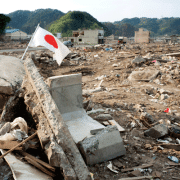
“On nuclear, international agreement came only after the world saw the terrifying power of the new technology at Hiroshima – and asked what would happen if it fell into the wrong hands. We cannot afford to wait for an AI equivalent of Hiroshima before we act.”
“Across the world, people are feeling the same thing – there is amazing potential here, but there is also huge risk,” Cooper told the Guardian.
“We are already in a world where we have malign actors who will use technology against us – whether that be hybrid threats, whether that be state-backed criminal groups or other kinds of organizations, or extremists and terror groups.”
“I think AI is going to end up being the dominant foreign policy issue that we deal with over the next two years,” she added.
Cooper said AI is just one area that is threatening global security currently, adding that the climate crisis, irregular migration, and foreign interference on western liberal democracy are also adding to international hazards.
Her essay clearly laid her own worldview and where she thinks her department should devote its attention to in the coming years.
Cooper also wrote that European powers need to adjust to the idea that the US will no longer guarantee international peace and democracy due to its current administration. Even after Donald Trump’s presidency, foreign bodies need to pay attention to the lasting impact, she explained.
“We should no longer expect the US to play the role it once did. There will continue to be issues where we disagree. But reduced dependence on any single ally will make us stronger.”
She also offered potential solutions to help the world’s future, such as having the UK and EU negotiate a more permanent settlement instead of attempting to renegotiate individual elements of trading arrangements multiple times.
The government is also working on finalizing the latest round of EU renegotiation as ministers look to meet new deals on agriculture, electricity trading, and visas for young people. These were meant to be announced at a summit later this month, but were pushed back as EU officials hope to engage with the incoming Burnham government first.
“We need to develop a new, structured relationship with Europe, leading the development of its new security architecture, with a more European Nato at its core. And we must settle our relationship with the EU as a closer but stable partnership, rather than one based on endless incremental bargaining,” Cooper wrote in her essay.

Eric Mastrota is a Contributing Editor at The National Digest based in New York. A graduate of SUNY New Paltz, he reports on world news, culture, and lifestyle. You can reach him at eric.mastrota@thenationaldigest.com.