Drug-Resistant Germs Are ‘Growing Threat’ In US With Over 50,000 Annual Deaths
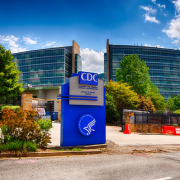
The US Centers for Disease Control and Prevention (CDC) are warning the American people that there has been a rise in recent years of germs that have developed the ability to survive medications that were designed to destroy them.
Typically, antibiotics are used to treat common bacterial infections like strep throat. However, in a report published this week, the federal health agency stated that “drug-resistant germs are a growing threat to Americans.”
The report stated that drug-resistant germs, like bacteria and fungi, cause an estimated 9.7 million infections and 50,800 deaths every year in the US.
“Antimicrobial resistance threatens modern medicine and puts millions of Americans at risk every year,” Dr. Erica Schwartz, director of the CDC, said in a press release.
The CDC emphasized the three threat levels that they classify drug-resistant germs by: “urgent,” “serious,” and “concerning.” Currently there are four germs that fall under the “urgent” category, which is the highest level.
The first that the CDC wrote about is Candida auris, a fungus which can cause a wide range of symptoms from mild skin infections to potentially life-threatening, bloodstream infections. The agency said that C. auris cases in the US jumped over 50% from 2022 to 2023.
The fungus mainly impacts patients who are already in the hospital and nursing home residents who are already sick due to the fact that it’s able to spread through medical equipment.
People can also carry the fungus on their skin without getting sick, but can then spread it onto other surfaces and objects.
The second concern from the CDC is the sexually transmitted virus of gonorrhea (Neisseria gonorrhoeae). Currently the CDC estimates that there were around 787,000 drug-resistant gonorrhea infections in 2023. When the virus is left untreated, it can cause pelvic inflammatory disease and infertility.
“Now we’re at the point where our probably broadest antibiotic class — called carbapenems — some of the bacteria are resistant to,” Dr. Johanna P. Daily, a professor in the departments of medicine infectious disease and microbiology and immunology at Montefiore-Einstein, told ABC News.
Carbapenem-resistant Enterobacterales and carbapenem-resistant Acinetobacter are the last two “urgent” threats on the CDC’s list, both of which can cause severe infections and are resistant to some of the strongest antibiotics currently available.
Carbapenem-resistant Enterobacterales are gut bacteria, such as E. coli, that caused an estimated 14,878 infections in hospitalized patients and 1,252 deaths in 2023, according to ABC News.
The CDC is also currently monitoring drug-resistent Neisseria meningitidis (meningococcus), which they have classified as a “serious” threat. Meningococcus can cause meningitis and bloodstream infections, and spreads easily in everyday settings through close contact.
Antimicrobial resistance happens when bacteria and fungi “learn to outsmart” the drugs created to treat them.
“Since the ’40s, it’s been this arms race, starting with penicillin. Some bacteria become resistant. Then we modify the antibiotic, so then it can kill the pathogen,” Dr. Daily said.
“The bacteria are exposed to an antibiotic; they randomly develop mutations. Some are lucky enough to have a mutation that allows them to withstand that antibiotic. People go to the hospital to get better, and sometimes they may acquire from the hospital environment a more resistant bacteria than they came in with.”
According to the CDC, antibiotics should only be used when they are prescribed by a healthcare professional and do not work against viruses. What people can do to help is wash their hands regularly and stay up to date with their recommended vaccinations. “I always say to my patients, feel free to ask questions if you’re sick or you have an infection in your family,” Dr. Daily said.
“Absolutely feel free to talk to the doctor.”

Eric Mastrota is a Contributing Editor at The National Digest based in New York. A graduate of SUNY New Paltz, he reports on world news, culture, and lifestyle. You can reach him at eric.mastrota@thenationaldigest.com.