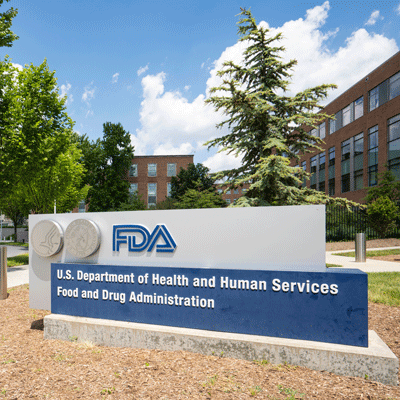
FDA Approves Groundbreaking Drug For Advanced Pancreatic Cancer
The Food and Drug Administration (FDA) approved of a new groundbreaking drug this week for people going through advanced pancreatic cancer. The goal is to offer US patients more effective treatments and improved survival rates.
The first-of-its-kind pill is called daraxonrasib, which works by blocking mutated proteins that fuel tumor growth in more than 90% of pancreatic cancer cases, according to reports.
Revolution Medicines will be selling the daily pills under the brand name Rasonque. The company announced that a one-month supply will cost around $39,800.
In the medicines study, researchers randomly assigned the pill for patients to either receive the experimental treatment, or go through additional chemotherapy. Patients who took the drug were found to nearly double their survival time. The 500 patients that participated all had cancer that was metastatic, spreading, and had quit responding to prior treatments.
The patients who received the new treatment lived for an average of 13.2 months, compared with 6.7 months for chemotherapy recipients. Side effects reported included skin rash, mouth sores, diarrhea, and other digestive issues.
Dr. Andrew Coveler of the Fred Hutch Cancer Center stated:
“This is one of the most anticipated approvals I can think of. This medicine is not a cure but a significant improvement.”
Pancreatic cancer is known as one of the most deadly forms of cancer, mainly due to the fact that it’s difficult to detect in its earlier stages, so it gets the chance to grow and spread to other organs in the body.
The American Cancer Society estimates that around 67,000 new cases will be diagnosed in the US this year, with more than 52,000 dying from the disease. The five-year overall survival rate is also reported to be about 13%.
Former Senator Ben Sasse was one of the recipients of the drug this year, and told CBS’ “60 Minutes” that he was experiencing less pain, causing the pill to receive national attention, and motivating the FDA to speed-up their approval.
The FDA was then granted “expanded access” before the drug is officially approved, so it can be given to patients who meet certain criteria.
FDA regulators this week also said that they approved the drug more than six months ahead of their target date.
“It is our fundamental duty to deliver more cures and meaningful treatments to patients as quickly as possible,” FDA’s acting commissioner, Kyle Diamantas, said in a statement.
Doctors who specialize in treating pancreatic cancer are also hopeful that the makeup of this drug can ideally be used to create new treatment options for other types of cancers as well, especially with so many experimental treatments currently in the works.
“I think this has opened doors for many other companies,” said Dr. Pashtoon Kasi of City of Hope Orange County, a California-based cancer center.
“Downstream I think there are going to be a lot more trials looking at this approach in other tumor types.”

Eric Mastrota is a Contributing Editor at The National Digest based in New York. A graduate of SUNY New Paltz, he reports on world news, culture, and lifestyle. You can reach him at eric.mastrota@thenationaldigest.com.