
For Dr. Antony Jackson Arumairaj, medicine has always been as much about asking questions as finding answers. Across decades of training, clinical practice, research, and teaching, that curiosity has remained central to how he approaches both patients and the profession itself.
Sponsored Content
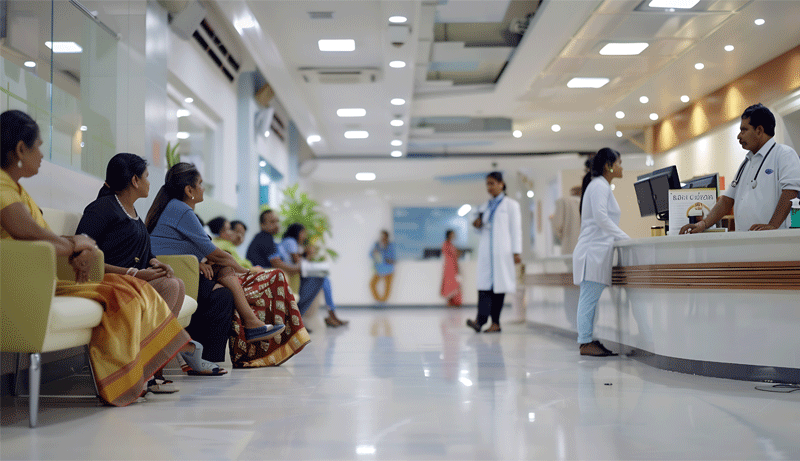

As a school student in India, Dr. Arumairaj would often watch sick and injured people being taken to hospital. Some had been hurt in road accidents; others had fallen seriously ill.
“I watched how they were taken to the hospital and resuscitated and treated. Many of them recovered well.”
One such recovery stayed with him; a person he knew returned after a long hospitalization, transformed from being very sick to well enough to resume life. The change made Dr. Arumairaj curious about the inner workings of medicine.
“I became inquisitive about what exactly happened in the hospital and what treatment did these patients get to improve so dramatically,” he says. “I knew that being a doctor could save lives, especially the lives of people who were very sick. That is what motivated me to become a doctor.”
That desire to understand would follow him through medical systems in India, Australia, and the United States. Along the way, he trained in anesthesiology, internal medicine, and emergency medicine, fields that let him see different stages of a patient’s course through a hospital.
“It was only after I went into medical school that I realized there were multiple branches of medicine that deal with critically ill patients,” he shares.
Now an academic hospitalist and attending physician in the Department of Internal Medicine at NYC Health + Hospitals/Woodhull, Dr. Arumairaj cares for hospitalized patients, teaches medical students and residents, and conducts research on the factors that shape patient outcomes.
He earned his medical degree from PSG Institute of Medical Sciences and Research in India and then completed anesthesiology training at Stanley Medical College at the age of 27. Anesthesiology gave him the skills to manage airways and stabilize patients who were critically ill. Being an anesthesiologist also made him want to understand what happened after the initial emergency and resuscitation was successful.
He moved to Australia, where he trained in internal medicine and emergency medicine. The combination gave him the continuum he had been seeking.
“When I went into anesthesia, I learned how to revive sick patients in the hospital, and it was complementary to the subsequent emergency medicine training, which equipped me to manage acutely ill patients when they first presented to the hospital,” he says. “Then I went into internal medicine because I wanted to see not only the acute phase, but how, over a period of time, you treat the illness, stabilize the patient, and discharge them.”
When he came to the United States, the extensive training helped him recognize which hospitalized patients may deteriorate, when treatment must be escalated, and when someone needs a higher level of care. Rather than separate chapters of his career, the three fields of internal medicine, emergency medicine and anesthesiology became complementary ways of reading the same clinical situation.
Practicing in three countries also taught him how to adapt his care to fit different environments.
“In India, we had to manage patients in a resource-limited situation,” he says. “We did not have the luxury of access to all the advanced technologies in the Western world. But as long as we could stick to the principles of management, we could do everything possible for the patient.”
In Australia, he witnessed retrieval systems transport patients from rural and remote areas to larger medical centers. In the United States, where he moved in 2018, he encountered extraordinary technological capacity and a culture of rapid innovation. None of the three systems, however, offered a complete answer. Their differences taught him to adapt without losing sight of the patient in front of him.
“Being trained in India laid the clinical foundation for my subsequent career, and moving on to Australia and then to the U.S. was the final icing on the cake. That’s where I was able to integrate everything I had learned and become a more well-rounded clinician.”
He recalls that timeline when advising younger doctors who feel they are falling behind peers in other professions. Medicine asks people to defer milestones and accept that mastery will always remain unfinished.
“Medicine is a lifelong journey. We have to forget about immediate gratification. We should avoid comparing our lives with the lives of our peers and focus on patient safety and enriching our knowledge. The primary focus should be our knowledge and patient well-being. The other byproducts of fame, glory, and wealth will fall into place. What motivated me was that I enjoyed each and every step of my training and the knowledge I gained. Be prepared for the long run, and enjoy the process.”
That preparation was tested during the COVID-19 pandemic. Dr. Arumairaj was in New York City when the first wave overwhelmed hospitals. Clinicians were treating an unfamiliar disease while evidence and guidance changed quickly. From the bedside, he saw sharply different outcomes.
“There were a few patients who became very sick, and some passed away in spite of all the advanced treatment we had. Others recovered very well or were affected much less severely. I became curious about why certain populations were affected so much more severely.”
The question connected naturally to a research interest that had started years earlier. Dr. Arumairaj had been involved in research since his second year of medical school, and after the COVID-19 pandemic, he enrolled in Harvard Medical School’s Global Clinical Scholars Research Training program to strengthen his statistical skills. He then used the National Inpatient Sample to study hospitalization outcomes across the United States.
His analyses examined how underlying conditions, including hypertension, diabetes, asthma, and chronic lung disease, influenced COVID-19 outcomes. “Identifying which comorbidities could lead to worse outcomes helped us understand how we could be better prepared for pandemics in the future,” he says.
The work produced more than 50 abstracts and conference presentations on COVID-19 and hospitalized patient outcomes. Its practical lesson was that preparedness begins long before a crisis. Patients enter an outbreak with the health conditions they already have, and poorly controlled chronic illness can leave them with less reserve when a new threat arrives.
“The emphasis on the primary care management of comorbidities has always been there. It’s just that not all patients achieved excellent control of their comorbidities through primary care intervention. In spite of the best intentions, sometimes the severity of their medical problems meant that patients had uncontrolled comorbidities, and this led to worse outcomes.”
The pandemic also showed how quickly health systems could respond under pressure. “Even though the pandemic happened suddenly and without notice, the healthcare system responded promptly to the emergency,” he says. Hospitals adapted as knowledge, public-health measures, vaccines, and treatments developed.
But the ordinary work of preventing severe illness through controlling blood pressure, managing diabetes, or stabilizing asthma is predicated on whether patients can consistently obtain care and medications.
“Innovation and research have helped the United States bring about solutions to some of the most frightening healthcare problems and have produced treatments for diseases that once carried little hope. Yet those advances do not automatically reach every patient. Making sure all patients have access to equal healthcare is something we need to keep working toward.”
His attention to the gap between what medicine knows and what patients receive also shapes his work as a teacher. Dr. Arumairaj began teaching as an associate lecturer at the University of Queensland. In the United States, he continued as a clinical assistant professor at New York Medical College and an attending physician at NYC Health + Hospitals/Metropolitan. At Woodhull Medical Center, education is built into his daily rounds.
His own teachers showed him how much mentorship can shape a physician. Teaching also demands that he master a subject well enough to explain it, allowing him to pass on knowledge while testing and refreshing his own. “I see it as part of my day-to-day work in treating patients,” he says.
Before entering a patient’s room, he may ask trainees to build a differential diagnosis, narrow the possibilities, recommend a plan, and explain what evidence would change it. At the bedside, the theoretical case becomes a person whose symptoms, history, and response to treatment may complicate the expected pattern.
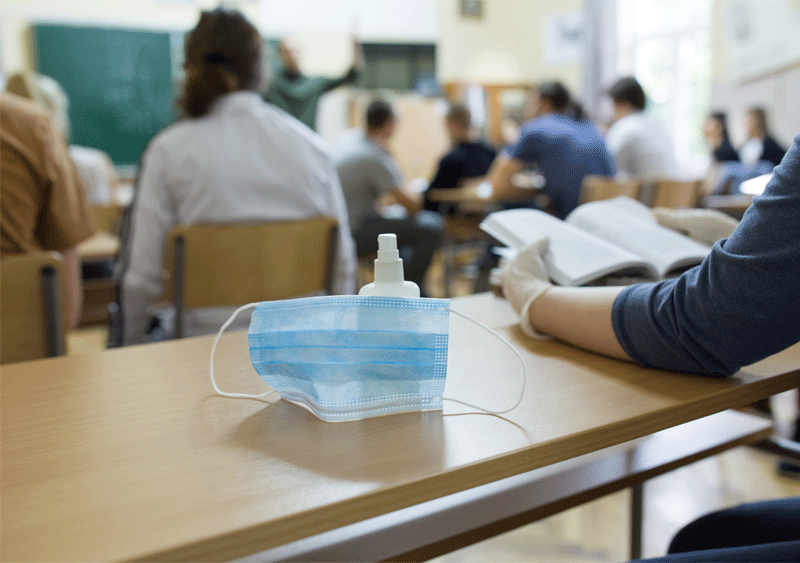

“Pay attention to patients during your interactions with them. They are the best source of knowledge. Keep abreast of the latest advancements in medicine through journals and conferences. That will help you translate knowledge into good clinical practice.”
Complicated cases can be intimidating to students and residents because they expose aspects of practice that a young clinician does not yet know. Dr. Arumairaj treats those gaps as part of training.
“Do not be disappointed if you do not know something,” he says. “Learn how to use the resources available to you, and do not become intimidated by seeing so many complicated patients.”
Senior physicians, in turn, have to remember what it felt like to stand at the beginning of that learning curve.
“Physicians and professors need to understand that medical students and residents are most vulnerable when they are young. They need to be guided and mentored at each and every step of their careers. While taking patient safety into account, gradually expose them to more responsibility, monitor how they respond, and give them appropriate feedback.”
For Dr. Arumairaj, mentorship is measured by his students’ growing independence.
“When trainees reach their rotations and feel confident managing patients, it makes me very happy. When I see them graduating, I know that once they go into practice, they will be very good at what they do. This is something I love, training and imparting knowledge and making sure medical students and residents become good at what they do.”
The lesson he most wants to carry forward from his own mentors is simpler than any clinical algorithm. He strives to keep his patients’ perspectives in mind.
“Being humble and kind plays a very important role because sometimes we are the last source of comfort for the patients we encounter, and they look to us for answers to major problems in their lives. Patients diagnosed with cancer, severe life-threatening illnesses, sepsis, septic shock, or a heart attack are very vulnerable. We have to go the extra mile, take their concerns and questions into consideration, and remember that kindness and humility go a long way toward becoming a good doctor.”
The physician must be honest without forgetting that the patient and family may be hearing information that divides life into a “before” and an “after.”
“These are situations in which doctors face a steep learning curve; they have to be trained to deliver news to patients in a smooth and unforced manner, so patients hear what they need to hear while the information is still delivered kindly.”
Other difficult conversations unfold slowly. Advice about smoking, alcohol, drug use, diet, or medication adherence can become moralizing if a doctor expects one warning to produce permanent change. Dr. Arumairaj sees behavior change as a process marked by setbacks.
“Changing patient habits is very difficult, and it is not a process that can be achieved with one conversation,” he says. “There are patients who quit, go back, quit again, and go back again.”
Relapse may reflect dependence, stress, limited support, or the role a harmful habit has come to play in coping. Physicians can explain medical risks, but lasting change may also require the involvement of counselors, other health professionals, and peer support groups.
The same patience guides him when a patient refuses treatment. He explains the likely consequences and, if the patient has the capacity to decide, respects the refusal. He may return to the topic later, once the patient has had time to absorb the information.
Vaccine hesitancy and medical misinformation require a similar approach. Rather than immediately confronting a claim a patient encountered online or elsewhere, he asks about the underlying concern and addresses it calmly.
“Sometimes it does not happen in one sitting,” he says. “The patient goes back, thinks about it, and comes back. Once the concerns are addressed in a phased manner, I have seen many patients come around.”
In a large city like New York, these conversations must also cross several hurdles. Interpreter services can bridge language gaps, but understanding still requires physicians to recognize that patients may have different ideas about health, family, authority, and treatment.
“Patients come from different cultural backgrounds, and the response to our suggestions is not going to be uniform. Emphasizing, educating, and increasing awareness is how we have to address patients’ concerns. When you encounter patients whose views differ from yours, be patient, kind, and don’t look for an immediate solution. Find common ground, gradually build confidence, and then address their concerns.”
Despite the system’s shortcomings, Dr. Arumairaj speaks with hope about the future of medicine. He points to how vaccination eradicated smallpox and pushed other infectious diseases toward elimination. HIV treatment transformed a once-devastating diagnosis into a manageable chronic condition for many patients. Cancer screening and new combinations of surgery, medication, and radiation have extended survival and produced long remissions in diseases that were once nearly untreatable.
“The advancements we are making are not just about increasing lifespan,” he says. “I hope they will provide a better quality of life and a broader improvement in the well-being of society.”
For that promise to matter, discovery has to be matched by access. His international training taught him that sophisticated technology can expand what medicine is capable of, but it cannot replace sound clinical judgment or guarantee that care will reach everyone who needs it.
The same realism informs how he thinks about physicians’ lives. Young doctors can become so consumed by patient care that they neglect their own health and relationships. A profession built around caring for others often makes self-care sound optional.
“A doctor’s well-being is very important,” he says. “Spending time meditating and exercising, setting aside time for family, and spending time with children are just as important as the work. This is a long journey, and we need a well-balanced life.”
He does not claim to have perfected that balance. “Sometimes I struggle to balance work and time with family,” he says. “It is easier said than done. Even though it is a challenge, I try.”
It is a fitting admission from a physician who characterizes medicine as a practice of adjustment. The school student who once wondered what happened behind hospital doors has spent his career learning that recovery depends on knowledge, resources, trust, and time — and that a doctor’s work is to keep bringing those elements together for the patient in front of him.
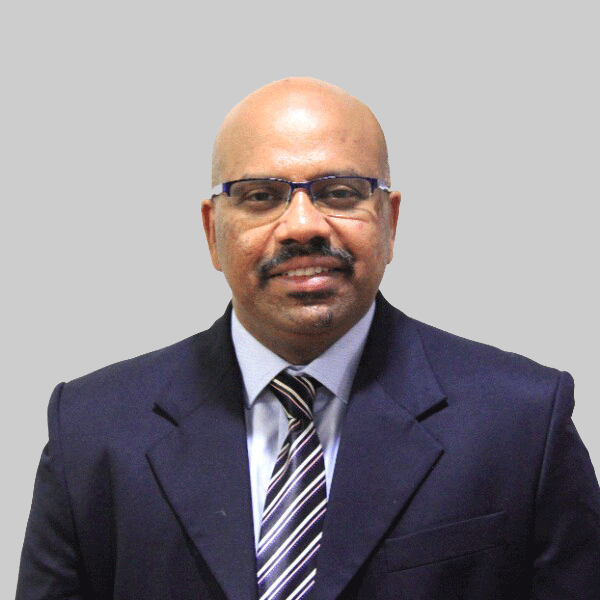

Moumita Basuroychowdhury is a Contributing Reporter at The National Digest. After earning an economics degree at Cornell University, she moved to NYC to pursue her MFA in creative writing. She enjoys reporting on science, business and culture news. You can reach her at moumita.b@thenationaldigest.com.

