Nostalgia Sells, Lava Lamps Are Back And Sales Are On The Rise
Nostalgia waves come in various forms. From vinyls and cassette tapes to DVD players and old school projectors, the market on reliving the lives and aesthetics of the past has shown itself in a multitude of ways.
Recently, mid-century interiors and Gen Z’s focus on the late 90s and early 2000s has spiked a lot of these trends. Lava lamps specifically have seen a major rise in sales.
Specifically, the Guardian spoke with Cressida Granger, managing director of Mathmos, which was founded in 1963 by the inventor of the lava lamp Edward Craven Walker. Granger spoke to how she’s experienced the surge in interest in the groovy glowing lighting fixtures.
“It feels like they’re in the current conversation in a way they haven’t been,” she said.
The 2025 holiday season showed huge sales with Mathmos experiencing overselling as they geared up for Christmas.
“[With lava lamps] they’re sort of nostalgic aren’t they? So that’s comforting when the world’s changing. They are just very calming, they’re very analog.”
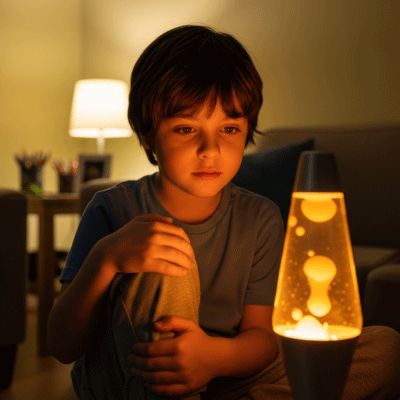
“They take two hours to warm up. They don’t demand anything of you, they’re very soothing. People use them for mindfulness and focus.”
“[In the case of Mathmos], people really like that we’re the real thing and they’ve always been made here and we invented them. So that feels also secure and authentic, and we really work hard to make them the best.”
Back in 1963, Walker led the company, formally known as Crestworth, with his wife Christine. Sales ultimately collapsed in the 1980’s, which is when Granger stepped in to help revive it.
Granger was formerly a vintage dealer who took over the business in 1989. The secret lava lamp recipe to this day is still loosely based on Walker’s designs and the bottles are all filled by hand.
The original lava lamp model is known as the Astro, and is still the bestseller to this day.
“I suppose it is unusual to have a job that no one else really has in Europe,” says Alan Staton, the only person outside China who spends his working day putting the lava into the lamps.
His colleague Henry Currer has only worked at the factory for a few months – “I’m getting my head round it I think! What enticed me to it is that it’s a British heritage brand, something that’s made here.”
Granger discussed the world market of lava lamps now, pointing out how “every other lava lamp’s made in China,” However, to her, she believes that “if you’re not being copied you’re not doing anything successful.”

Eric Mastrota is a Contributing Editor at The National Digest based in New York. A graduate of SUNY New Paltz, he reports on world news, culture, and lifestyle. You can reach him at eric.mastrota@thenationaldigest.com.