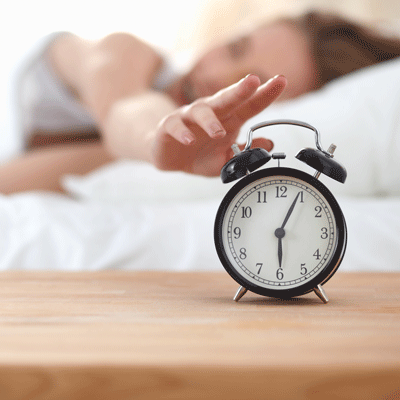
Study Finds Most People Snooze Their Alarms — But It Might Be Hurting, Not Helping
If your morning routine involves tapping “snooze” more than once before finally getting out of bed, you’re in good company. A new study analyzing sleep behavior across the globe reveals that snoozing alarms has become a surprisingly universal habit, one made easier and more frequent by the ubiquity of smartphones.
But while it may feel like those few extra minutes offer a gentle transition into the day, sleep scientists say it might be doing more harm than good.
Rebecca Robbins, Ph.D., a sleep researcher at Brigham and Women’s Hospital and assistant professor at Harvard Medical School, notes that while snoozing is incredibly common, it has rarely been studied in depth.
Now, new findings published May 19 in the journal Scientific Reports aim to fill in some of those gaps. Robbins, the lead author, and her colleagues analyzed snoozing behavior in a massive dataset drawn from more than 21,000 adults using the SleepCycle app. In total, researchers reviewed more than three million sleep sessions, making this one of the largest looks at the topic to date. “We attempted to quantify just how prevalent the use of snooze alarm is and what it means for our sleep,” she said.
Their findings? Over half of the sessions, around 56%, involved users snoozing their alarms. On average, people hit snooze two to three times, racking up around 11 minutes of additional time in bed. But among more committed snoozers, those who did so in more than 80% of their recorded sessions, snoozing lasted nearly twice as long, with an average of four snooze presses totaling about 20 extra minutes.
These “heavy snoozers,” which were around 45% of snoozers, were most likely to lean on the habit during the traditional workweek, with snoozing rates dropping slightly on weekends. That pattern suggests many people use snoozing as a coping mechanism for weekday obligations and early alarms.
According to Robbins, one major reason snoozing has become so ingrained in modern life is the smartphone itself. Unlike old-school alarm clocks, which often lived across the room and required a more deliberate effort to quiet, the phone’s snooze button is typically front and center, glowing inches from our face. It takes just one lazy tap, says Robbins, and suddenly, you’re drifting back to sleep.
But not all sleep is created equal. Robbins and her co-authors point out that the slivers of rest people get between alarms tend to be low in quality. “
“Some of the most vital stages of sleep take place right before we wake up. Hitting the snooze alarm will interrupt these crucial stages of sleep and typically only offer you some light sleep in between alarms.”
In fact, heavy snoozers in the study showed more erratic sleep behavior overall, hinting at potential links between snoozing and poor sleep hygiene. Research has shown that broken sleep can increase morning fatigue and worsen sleep inertia—the transitional state of mental fog that occurs after waking.
Though the question of whether snoozing is truly harmful remains open to further research, Robbins and other experts urge caution. A 2023 study in the Journal of Sleep Research suggested that snoozing might help some people wake up more gently and could even offer modest cognitive perks, but these results were self-reported and not conclusive.
The general consensus among sleep scientists is that snoozing probably isn’t the best way to start the day. Not only does it cut into deep sleep, but it also tends to leave people feeling less refreshed. As Robbins puts it, “Your sleep will be fragmented, leaving you without the additional benefits of added rest.”
Still, getting up with the first alarm isn’t always easy. Many people struggle with mornings, especially when dealing with inconsistent sleep schedules, high stress, or insufficient rest overall. Robbins emphasizes that sleep itself, not snoozing, is the foundation of better mornings. Most adults need at least seven hours a night. “The quality and quantity of our sleep powers our waking success,” says Robbins.
So what can people do instead of leaning on the snooze button? Robbins recommends setting your alarm for the latest possible time you can realistically wake up and then committing to getting up when it goes off.
“If you have to be at work at 8 and it takes you 30 minutes to get ready and 30 minutes to (commute), set your alarm for 7, no earlier.”
When the alarm rings, resist the urge to scroll through your phone, which may worsen feelings of anxiety. Instead, focus on physically waking up. Robbins suggests stretching in bed, reaching your arms overhead, flexing your feet, and practicing a few deep breaths to center yourself. “Then, take deep breaths and focus on one positive thing that will get you excited about the day and motivated,” says Robbins.
Exposure to natural light is also key. Sunlight helps suppress melatonin, the hormone that promotes sleep and resets your body clock for the day ahead. If you can’t step outside right away, standing by a window works too.
Don’t be surprised if you still feel groggy. That’s part of sleep inertia, and it’s normal. Robbins says it’s the reason why a lot of people rely on the snooze button, but for most people, that fog should clear within 15 to 60 minutes.
“One could wake up bright-eyed and bushy-tailed, but by and large, for all of us, there’s a bit of a transition. We’re not all going to wake up and feel perfect. It takes time to ease into the day.”

Moumita Basuroychowdhury is a Contributing Reporter at The National Digest. After earning an economics degree at Cornell University, she moved to NYC to pursue her MFA in creative writing. She enjoys reporting on science, business and culture news. You can reach her at moumita.b@thenationaldigest.com.