
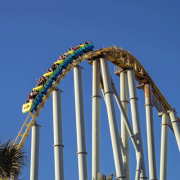
Six Flags Closes World-Famous Roller Coaster After Brain Injury Lawsuits
Six Flags announced this week that it will be permanently closing its X2 roller coaster, one of its most famous, after an investigation performed by CNN exposed a long history of life-altering injuries, and even deaths linked to the ride.
Six Flags Magic Mountain President Brian Oerding published a blog post this week stating that while the “X2 roller coaster has consistently passed a multitude of safety tests, we have decided to close the ride because we believe it’s the right thing to do.”
“Ride safety is a cornerstone of our business, and when we see guest confidence affected, we take it seriously.”
CNN’s investigation took place last month and found allegations that the roller coaster has been injuring riders for over a decade but has been “kept under wraps.”
There have been a dozen reports of serious injuries and hospitalizations linked to the ride including at least two deaths. The most recent finding was two women who ended up in the same Santa Clarita emergency room with brain injuries after riding X2 only six days apart this summer.
The ride itself was temporarily closed after the second woman’s injury. Just last week, attorneys held a news conference reporting that there were over 100 new victims who came forward regarding brain injuries they sustained from allegedly riding X2.
Those new victims were from the last two years alone.
Three lawsuits were filed last week from three riders who suffered life-threatening injuries this year. The three lawsuits all allege that Six Flags officials had plenty of notice of the alleged dangers of the ride and should never have kept it running.
One of the riders from the three recent suits is 26-year-old Naomi Greer-Wilkinson who is currently in a coma. She boarded the ride just six days after another individual, Pamela Guillen, lost consciousness when she got off the roller coaster and had to get emergency brain surgery.
“This is long overdue,” Greer-Wilkinson’s parents told CNN.
“Six Flags knew years ago that X2 was putting people at grave risk and chose to continue gambling with their lives anyway.”
“This should have happened long before Naomi’s brain injury but we’re happy to hear that now finally no one else’s daughter or sister will ever be hurt on this ride again.”
Guillen is luckily out of the hospital, but had to learn how to walk and talk again and still battles awful headaches, brain fog, and needs medication to prevent seizures.
“I’m relieved that X2 is closing for good. I never should have been hurt, and neither should the others who were. … I also hope Six Flags will put better safety and inspection measures in place across all of its parks and rides,” she told the publication.

Eric Mastrota is a Contributing Editor at The National Digest based in New York. A graduate of SUNY New Paltz, he reports on world news, culture, and lifestyle. You can reach him at eric.mastrota@thenationaldigest.com.
