Ex-CDC Director Says RFK Jr. Pressured Her to Back Vaccine Schedule Overhaul, Cites Political Meddling
At a tense Senate hearing on Wednesday, former CDC Director Susan Monarez alleged that Health Secretary Robert F. Kennedy Jr. pressured her to support a revision of the childhood vaccine schedule — a plan she says lacked scientific basis and led to her removal.
Monarez told members of the Senate Health Committee that Kennedy insisted changes to the immunization schedule would take effect in September and demanded her support without providing any data. “He said I needed to be on board,” Monarez recounted under questioning from Committee Chair Sen. Bill Cassidy (R-La.).
The testimony came as part of a broader inquiry into upheaval within the CDC and Kennedy’s controversial role in shaping the agency’s direction. Cassidy reminded the room that Kennedy had promised not to alter the vaccine schedule when he was nominated in January.
Monarez described Kennedy’s demeanor during their exchange as “extremely animated” and said he launched into a tirade, accusing CDC employees of endangering children.
“He said that CDC employees were killing children, and they don’t care. He said that CDC employees were bought by the pharmaceutical industry. He said the CDC forced people to wear masks and social distance like a dictatorship. He said during the Covid outbreak, the CDC told hospitals to turn away sick Covid patients until they had blue lips before allowing them to get treatment. Those statements are not true.”
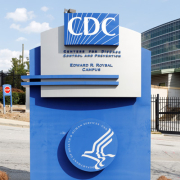
In an emotional moment, Monarez also described the lingering trauma at the CDC following an August shooting in which a gunman, who reportedly blamed vaccines for his health issues, opened fire on the agency’s Atlanta headquarters, killing a police officer.
“Each bullet was meant for a person, and each of my staff were very traumatized afterwards,” she said, adding that staff became so afraid they removed their names from vaccine-related studies and refused to speak publicly on the topic.
The hearing also featured testimony from Dr. Deb Houry, the CDC’s former chief medical officer, who recently resigned in protest alongside two other senior officials. Houry accused Kennedy of compromising the agency’s scientific independence, saying he “censored CDC science, politicized its processes and stripped leaders of independence.”
“I could not, in good conscience, remain under those conditions,” she added.
Both Monarez and Houry pointed to increasing political interference in areas traditionally governed by science. They specifically named Stuart Burns, a former GOP staffer and Kennedy aide with known ties to the anti-vaccine movement, as someone playing a central role in determining which vaccines are recommended by federal advisory panels.
Monarez further testified that Kennedy had asked her to meet with Aaron Siri, an anti-vaccine attorney and longtime associate of Kennedy who represented him during his failed presidential run. Siri has made a name and fortune challenging vaccine mandates and representing clients claiming vaccine injury. He once filed a petition to revoke approval for a polio vaccine.
The Advisory Committee on Immunization Practices (ACIP), the federal panel responsible for vaccine guidance, is scheduled to meet on Thursday to discuss the childhood immunization schedule. Kennedy removed previous members of the committee in June and replaced them with individuals widely viewed as vaccine skeptics, many of whom lack direct medical or scientific expertise.
A spokesperson for the Department of Health and Human Services, Andrew Nixon, defended Monarez’s dismissal, claiming she had “acted maliciously to undermine the president’s agenda.” He insisted that any updates to the vaccine schedule would be “based on the latest available science.”
“Any potential changes to the childhood vaccine schedule will be based on the latest available science, and only after the ACIP recommends it and the acting CDC director reviews and approves those recommendations.”
Still, the growing number of departures and allegations of political meddling have raised alarm bells among public health experts and lawmakers alike. Cassidy noted the apparent contradiction between Kennedy’s public assurances and his private push for unvetted changes.
Less than a month after praising her “unimpeachable scientific credentials,” Secretary Kennedy fired her,” Cassidy said, referring to Monarez’s swearing-in. “

Moumita Basuroychowdhury is a Contributing Reporter at The National Digest. After earning an economics degree at Cornell University, she moved to NYC to pursue her MFA in creative writing. She enjoys reporting on science, business and culture news. You can reach her at moumita.b@thenationaldigest.com.