Thousands Under Evacuation Notice In California And Oregon Amid Intense Wildfires
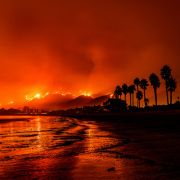
Thousands of homes and their residents in northern California and central Oregon entered evacuation orders as firefighting crews continue to battle wildfires in dry, hot weather. The Pickett fire has burned through more than 6,800 acres of Napa county, and was only 13% contained by Monday morning, according to the California department of forestry and fire protection (Cal Fire).
Around 150 people were ordered to leave their homes with another 360 under evacuation warnings. Reports show that the wildfires are threatening around 500 structures near Aetna Springs and Pope Valley, which is 80 miles north of San Francisco, according to Cal Fire spokesperson Jason Clay.
In Oregon, the Flat fire in Deschutes and Jefferson counties has around 4,000 homes under various levels of evacuation notice, including 1,000 homes ordered to leave immediately, according to the state fire marshal’s office.
Officials stated that firefighters were able to cut containment lines and suppress fires in some residential areas, however, they’re finding it difficult to combat the fires on more vulnerable terrains with low humidity and triple-digit temperatures.
More than 1,230 firefighters with 10 helicopters are working to battle the California fire which initially began on Thursday last week after seven days of extremely hot temperatures. There is no known cause of the fire at the moment or where it began.
Western US residents have been combating major heatwaves and an intense wildfire season. Residents have been hospitalized throughout California, Washington, Oregon, Nevada, and Arizona.
When the heatwaves subside, officials say that the risks will continue as these areas have minimal moisture, increasing the danger for more fires in the coming month and into October.
In parts of Nevada, California, Utah, Arizona, Colorado, and Wyoming, risks are also increased by vegetation that are dangerously dry and overgrown.
The heat alone bakes moisture out of already dehydrated landscapes, increasing the potential for ignitions, rapid fire spread, and threats to public health. Extreme heat is often referred to as the “silent killer” and is the most lethal weather-related disaster in the US.
Heatwaves throughout the US are getting longer, larger, and more intense due to climate change which is intensified by concrete city landscapes.
The Pickett fire began in the same area as the Glass fire in 2020, which entered into Sonoma county and burned around 105 square miles and more than 1,500 structures.
The Oregon fire is in a high desert climate where dried vegetation, grasses, and juniper trees are burning rapidly, causing the fire to spread throughout canyon areas “where it is challenging to create containment lines,” said Jason Carr, Deschuted county sheriff’s spokesman.
The fire has been growing due to hot and gusty wind conditions. Fire officials are also looking out for isolated thunderstorms, specifically in southern Oregon which could travel north, according to state fire marshals spokesman Chris Schimmer.
“If we get thunderstorms that roll through, it can … cause the fire to jump [containment] lines,” said Carr.
Firefighters are keeping a close eye on the fires and working hard to combat them to prevent spreading.

Eric Mastrota is a Contributing Editor at The National Digest based in New York. A graduate of SUNY New Paltz, he reports on world news, culture, and lifestyle. You can reach him at eric.mastrota@thenationaldigest.com.