NASA Wants To Dump The International Space Station In The Ocean
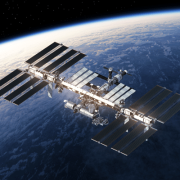
NASA is planning to deorbit the International Space Station (ISS) in the coming years, however, their proposed strategy for doing so is causing a lot of controversies among international governments and ocean conservation groups. This is because NASA is planning to deorbit the ISS by having it come back into Earth’s atmosphere and dumping it into the ocean.
NASA has blueprinted that they will take a series of actions leading up to, and into, 2030 to accomplish the ISS’s deorbiting. In early to mid-2028, the ISS will begin to be lowered through a combination of Earth’s natural atmospheric drag and re-entry measures by Russia’s segment of the station, according to reports from Space.com.
Then, a year later in mid-2029, NASA is planning the launch of a SpaceX-supplied US Deorbit Vehicle that will attach to the ISS and fire 46 Draco thrusters to push the station further down and into the ocean.
This plan has ecology experts very concerned, specifically The Ocean Foundation. The foundation is headquartered in Washington D.C., and has an overall mission of improving global ocean health and the relationship humans have with our world’s waters.
Mark Spalding, the president of the foundation, said that NASA’s plan to deorbit the ISS “raises serious concerns for ocean health that the space community has not adequately grappled with.”
A recent report from the US Government Accountability Office (GAO) was released to discuss the main problems with NASA’s plan to deorbit the ISS and transition it to commercial space stations.
The report explained that at the end of 2030 or early 2031, the US Deorbit Vehicle will perform the re-entry burn which will push the ISS through the Earth’s atmosphere and into Point Nemo, also known as the pole of inaccessibility as it’s the furthest point from any landmass in the world.
“As part of the reentry process, NASA expects portions of the ISS and deorbit vehicle to break up and fall into the remote part of the ocean to minimize the risk to populated areas,” the GAO report says.
Spalding told Space.com that “there is a troubling structural gap in international law that the ISS deorbit throws into sharp relief,” when it comes to using Point Nemo as the dumping ground for the ISS.
He also pointed out that under the Space Liability Convention of 1972, if space debris falls on another nation’s territory or damages property, the nation that launched the space craft in question owes compensation without “needing to prove fault. But no equivalent protection exists for the ocean.”
“As a result, when space agencies have control over where debris falls, they aim for the high seas, and in doing so, they incur no legal obligation to pay for cleanup or environmental remediation,” he said.
While Spalding explained that he understood the rationale for targeting Point Nemo for this mission, considering it’s the furthest point away from any populated area, it doesn’t negate the damage that can be done to the ocean’s ecosystem and marine life.
“The ocean’s remoteness from human infrastructure should not be mistaken for a lack of value or vulnerability. The ocean and its creatures deserve the same protection that international law affords to national territories.”
When speaking with Space.com, Spalding begged the question about what will happen to marine ecosystems and life on the seafloor where ISS leftovers end up. Speaking vulnerably, he said there’s no way to truly know until it actually happens, which is problematic.
“The honest answer is, we don’t fully know. That is deeply troubling for a structure the size of a football field. We do know that not everything burns up on reentry. Denser components will survive and reach the seafloor.”
Spalding explained that there hasn’t been enough research put into the specific pieces of the ISS and what would be destroyed upon reentry, what would enter the ocean, and how it would directly impact marine life and the ocean’s ecosystem. This “has not been adequately studied or disclosed. That uncertainty is itself the problem.
What environmental harm may begin before the debris hits the water is worrisome. As the largest reentry in history, the cumulative atmospheric impact of down-falling ISS hardware deserves serious study.”
As a part of his argument regarding the lack of proper research, he cited a newly negotiated High Seas Treaty that is relevant to the deorbiting of the iSS. The Treaty requires parties involved to conduct environmental impact assessments for any activities that may impact marine environments and life that goes beyond the national jurisdiction, especially when the effects are unknown.
“It is fair to ask whether the ISS deorbit – the largest such reentry in history, targeting the high seas – should trigger that obligation,” he explained.
The Ocean Foundation laid out what discussions and research should be conducted before the downing of the ISS into the ocean. They revealed that they want a full environmental impact assessment of the anticipated debris that will sink to the seafloor, as well as the atmospheric impact in the air above the ocean.
The foundation also wants all the materials that will survive the reentry and reach the ocean floor to be disclosed publicly and not kept confidential.
The foundation also cited obligations and analysis legally required under the UN Convention on the Law of the Sea, the London Protocol of 1996. This protocol maps our an international standard for nations to both individually and collectively protect and preserve our oceans from pollution that is caused by the dumping of waste.
“The high seas have no sovereign who can demand accountability. We believe this gap in international law needs to be closed, and the ISS deorbit is a vivid illustration of why,” Spalding concluded.

Eric Mastrota is a Contributing Editor at The National Digest based in New York. A graduate of SUNY New Paltz, he reports on world news, culture, and lifestyle. You can reach him at eric.mastrota@thenationaldigest.com.