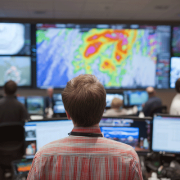
Brace for a Dramatic Forecast Shift: Record Heat in the West, Winter’s Return in the East
A sharp and unusual shift in weather patterns is set to sweep across the United States, bringing a striking split of an intense, record-breaking heat in the West and a renewed blast of winter in the East.
The change is being driven by a powerful atmospheric setup that will likely persist for up to two weeks. A strong ridge of high pressure, often called a “heat dome,” is expected to settle over the western half of the country, allowing temperatures to surge well above seasonal norms. At the same time, the jet stream will dip southward on the eastern side of that ridge, funneling cold Canadian air into the Midwest and East.
The result will be a pronounced case of weather whiplash. Areas that recently experienced springlike warmth will soon return to much colder conditions, with the possibility of additional snowfall through mid-to-late March.
Cities that climbed into the 70s and 80s earlier this week are expected to cool dramatically, with highs dropping into the 30s and 40s. Washington, DC, for example, reached 84 degrees on Tuesday but is forecast to fall into the 50s over the weekend and into the 40s early next week. Parts of the Northeast, which also saw temperatures in the 70s, could face multiple chances for snow over the next five to seven days.
The chill may extend as far south as Florida, where some areas could see overnight lows in the 50s this weekend, with a further drop into the 40s early next week. While the East braces for a late-season cold snap, the situation in the West is expected to be far more extreme and potentially dangerous.
Forecasters say the heat wave will dominate headlines beginning Thursday and could persist for at least two weeks. Numerous locations across the region are likely to challenge or break all-time March temperature records.
The National Weather Service has issued warnings, particularly for the Southwest, urging residents to prepare for unusually intense and long-lasting heat. In Phoenix, temperatures could reach 100 degrees, the earliest ever recorded, more than 10 days ahead of the current record.
“Given the unprecedented length and magnitude of this extreme heat wave, heat stress will be increasing each day.”
Extreme heat is the leading weather-related cause of death in the contiguous United States each year, underscoring the risks posed by early-season temperature spikes.
Beyond the immediate dangers, the heat wave is expected to worsen already concerning environmental conditions. Snowpack across the West is significantly below average, and the surge in temperatures will accelerate melting, raising alarms about water availability later in the year and the potential for an intense wildfire season.
Speaking about the West, University of California climate scientist Daniel Swain stated the outlook for snowpack is especially dire in states like Colorado and Utah, which are on track to set record lows.
“We’re going to get to April first, and we’re going to see some very scary snowpack numbers essentially everywhere.”
Southern California, in particular, could see temperatures soaring 20 to 30 degrees above average during the next two weeks, according to the National Weather Service.
This event comes on the heels of an already exceptional season. The West just experienced its warmest meteorological winter on record, with several states setting all-time highs for winter temperatures.
Scientists note that climate change is increasing the likelihood, duration, and intensity of heat waves and is likely contributing to the region’s record-breaking winter warmth.
Seasonal patterns themselves are also shifting. Winter is warming faster than any other season across much of the United States, and spring is arriving earlier in many regions, with the final freeze occurring sooner than in the past.
For now, however, the immediate story is of a country divided between early-summer heat and a lingering grip of winter, all unfolding at once.

Moumita Basuroychowdhury is a Contributing Reporter at The National Digest. After earning an economics degree at Cornell University, she moved to NYC to pursue her MFA in creative writing. She enjoys reporting on science, business and culture news. You can reach her at moumita.b@thenationaldigest.com.