
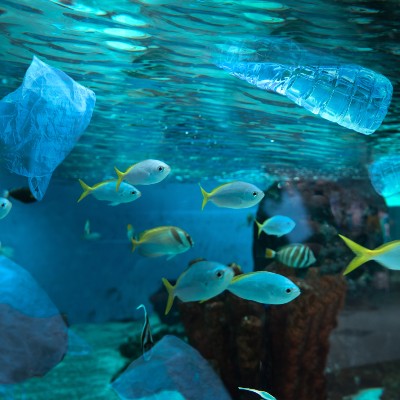
As We Approach 2021, What Can We Do To Stop Killing The Ocean?
Plastic pollution is defined as the accumulation of plastic objects and particles in the Earth’s environment that damages wildlife, habitats and as it happens humans too. Arguably, we might have a tendency to ignore what is happening to our planet, and replace it with the more relevant issues. However, plastic pollution is very apparent. It haunts us humans too, with huge contributions to climate change and even impacting our own health. 70 percent of our planet consists of the ocean, therefore we need to save it.
Each year we produce 300 million tons of plastic, with at least 8 million tons being added into our oceans each year. We need to remind ourselves of the animals ingesting, getting tangled and being killed by plastic. Parts of the oceans that are considered untouched by humans, now contain immense amounts of plastic. Everytime we throw away our rubbish, we could never predict where it will end up. The plastic we use daily will never disappear, it may become smaller but it still imposes a threat to our marine life.
Just recently, it was revealed that the sea spreads plastic waste thousands of kilometres from the original source in just a few months. According to a report in Science Focus, a team of researchers from the University of Exeter and the Zoological Society of London released three 500ml bottles directly into the Bay of Bengal to look at the path followed by litter once it reaches the sea. The findings shows that one of these bottles travelled the furthest of any in their study, at a rate of 2,845km in 94 days. The lead author of the study, Dr Emily Duncan, was quoted as saying. “It demonstrates that this is a truly global issue, as a piece of plastic dropped in a river or ocean could soon wash up on the other side of the world.”
A huge concern for marine animals is entanglement. Animals being caught in plastics can cause them suffocation, lack of ability to swim and catch prey, consequently becoming very fatal. Our marine life is also at threat of consuming plastic mistakingly for food. Taking up room in their stomach and resulting in them starving to death. Plastic can also threaten ecosystems, by supplying the huge spread of bacteria.
Not only is it the animals in water like whales, dolphins, turtles and fish that are at risk, it’s the land animals too. Birds are one example of animals endangered by the huge amounts of plastic waste. 1 million birds each year die due to the ever growing plastic pollution. They can mistake our plastic waste for their prey, and sadly end up ingesting it. Due to their stomachs being so full of plastic they die of starvation, as well as suffering with lacerations, infections, internal injuries and affecting their mobility.
Us humans will also suffer greatly because of plastic pollution as the plastic will inevitably end up in our food chain. Plastic molecules have been identified in tap water, beer and salt. Chemicals used within plastic materials are carcinogenic and can cause many health issues for both humans and wildlife. Animals also consume plastics that are exposed to them, and through consumption along the food chain, will be a health hazard to us too.
Collectively, we need to make a change. Simple alternatives can make a huge difference, like recycling and reusing plastics as opposed to throwing it away in the bin- off to landfill. Rethink the decision to litter, whatever you throw away will not stay on the ground. It will make a journey, most probably to the ocean. Also products that you may think are alright to go down the drain- are not, such as wipes. Through the toilet or the washing machine, micro plastics still jeopardise our marine life.
We could all make minor changes to reduce our plastic footprint, the amount of plastic we use and then throw away in relations to the damage it will likely cause to our environment. An effort to replace small everyday items, would help save our planet. Plastic bottles, plastic shopping bags, plastic straws and food wrappers are a few items that we could attempt to avoid, or even just use less. Many alternatives can be easily found and using items that can be reused saves you money too! There are so many innovative ways to cut down your own plastic footprint.
One major change we need to make is recycling and reusing plastics. This is simply done by sorting through our waste and litter. Small changes can have large impacts. Minor changes like switching a plastic bag for a “bag for life” or using a reusable coffee cup can make the world of a difference, and even save a life.

