
Sustainable Christmas Decorating
With the world moving towards a much-needed and sustainable future, many homeowners and individuals are considering how they can uphold a more eco-friendly or carbon neutral lifestyle in their own homes and lives. This involves examining your current practices, whether that is seeing where you can be more conscious of the products you buy, switching energy providers to one that utilises green energy, cutting down on waste, recycling, eating less meat and so forth. The options are extensive and all play their part to the greater picture of climate change. Some may be thinking of the upcoming Christmas season, and how they can remain or be more sustainable through the festive period. One way in which you can look to sustainability is through Christmas decorations.
Christmas Trees
Instead of purchasing a real Christmas tree year after year, artificial trees are often seen as great alternatives, offering a reusable festive touch without cutting down trees – therefore, it may seem that artificial trees are the more sustainable option. However, the way they are made and shipped means that they can often be worse for the environment and most artificial trees are not recyclable and end up in landfills. According to The Independent ‘Darren Messem, managing director of certification at the Carbon Trust, explains that the high carbon footprint of artificial trees comes from the “energy-intensive production processes involved”. Ethical.net wrote: ‘the Carbon Trust estimates that a two metre artificial tree has a carbon footprint of around 40kg of CO2e (carbon dioxide plus other greenhouse gases’ warming potential) – more than twice that of a real tree that ends its life in landfill, and more than ten times that of real trees that are burnt.’
If you do have an artificial tree, make sure you use it for many years to come or even look to buying a second-hand one rather than purchasing new.
On the other hand, you may wonder whether it is counter-intuitive to purchase a real tree year after year, surely that means these trees are being cut down and contributing to deforestation? Sources show, that as long as real trees are sustainably sourced (most are grown as a horticultural crop rather than taken from existing forests), bought locally (importing a Christmas tree will cause carbon emissions from transportation) and disposed of correctly they are better for the environment. Further, real pine or fir trees still absorb CO2 and release oxygen. However, an even better idea is to see if you can find ‘rent a tree’ programmes locally, which allows a family to rent and decorate a Christmas tree for the festive period, after which the tree can be returned and replanted. Either way, be sure to do your research into where you are buying your tree from.
Wrapping
A major part of Christmas is of course gift-giving and one way that you can ensure you are less wasteful and more eco-conscious is by looking to sustainable wrapping. Re-cycled wrapping paper is often a good option, as well as ensuring you can recycle (and do recycle) your wrapping paper, avoiding wrapping with non-recyclable elements such as plastic. Another sustainable option is to look into cloth wrapping that you can use year after year. It can often be extremely pretty and fun to use, so you can still give your presents that extra flare with beautifully (and sustainably) wrapped presents.
Reusable Items
Finding reusable and sustainably-sourced decorations are not only eco-friendly but they often last for many years, saving you money in the long run. Make sure though, that the process of creating the decorations isn’t bad for the environment, as noted with artificial tree choices above.
In one example, instead of purchasing advent calendars year after year, look to buying a reusable advent calendar – or making one yourself! This will reduce waste, as you avoid throwing away the plastic and cardboard attached to single-use advent calendars. An added bonus is that these calendars can be simply beautiful stand-alone decorations in your home, and you can fill them with any treats you like, rather than the same old chocolates, switch it up with a variety of yours or your children’s favourite candy and treats and re-use them each year.
Instead of buying new plastic décor year after year, look for long-lasting Christmas items that are made from eco-friendlier resources which can be used year after year. Often these items are beautiful and timeless additions to your home that you won’t want to replace!
Lights
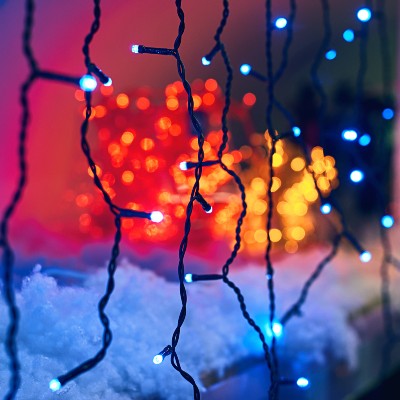
One of the most beautiful aspects about Christmas is the lights, it brings joy, warmth and festivity to our homes. However, it can often waste energy and therefore contribute to greater carbon emissions. By switching to eco-friendly light alternatives, you can still light up your home for the festivities whilst reducing your energy and carbon output. Items such as LED lights are better for the environment as they use less energy and for outdoor lighting, look for solar-powered options, which are extremely eco-friendly. Alternatively, make sure your lighting systems is on a timer to save energy – which will be great for your pocket too!

Toni Campbell is a Contributing Editor at The National Digest based in the United Kingdom. You can reach her at inquiries@thenationaldigest.com.

