
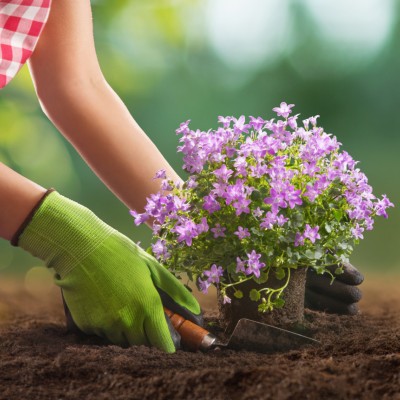
Thinking of Taking Up Gardening? Here’s How To Begin
Gardening has a ton of often-unknown benefits. It can be a form of light exercise, it brings you out in nature, providing fresh air and daylight that helps you sleep, it can be grounding and therefore good for mental health. Growing your own food can help you improve nutrition and keep a eco-friendly household – the list goes on and on. In this strange time of the coronavirus pandemic, many may be looking for a new hobby or pastime to fill their time. If you are lucky enough to have a small patch of garden, or even some windowsill planters, you may consider taking up the noble art of gardening. Whether or not you discover that you have a green thumb, here are some gardening tips for beginners.
Know your garden
Before you begin the process of planting seeds, get to know your garden. Look where the sun hits it best, which areas are more in shade and which are more in sun. This will help you know where to place your plants or patch, depending on what you are growing. It is also a good idea to check the soil, which will tell you how acidic your soil is. You can purchase a soil testing kit which will determine the PH level.
Different plants will grow better in different soils, for example blueberry bushes thrive in acidic soils, so if your soil is too alkaline, purchasing some peat or fertilizers that will make the soil more acidic is necessary. Lots of plants will thrive in slightly acidic soils as it provides better access to nutrients.
Once you know all this, you can plan your garden, working out what to grow where and when. If you want an aesthetically pleasing garden, focusing on colors and structure – planning is a perfect start to your growing journey. Further than this, some plants will need specific conditions in your garden to grow well, so planning helps you ensure you can achieve all you desire in your garden.
Quoted in Huffington Post, Steven Howes, director of The Real Gardener, said: “The number one mistake most gardeners make would be putting the wrong plants in the wrong location, what ends up happening is the plant either gets scorched, or not enough light, and it doesn’t flourish or flower. Ask nurseries for help. They’re more than happy to provide advice. And read the information on the labels of each plant that shows what it likes and dislikes.”
Planting
Once you have decided what you want to grow and where, it is always best to do your research. Look at what that particular plant needs – indirect sunlight or direct? What kind of fertiliser? How often does it need watering? Do you need to plant it in a specific way? How deep do you need to plant the seeds or roots? Does the plant need to be started off in pots? All these are valuable questions when starting off growing something new. Often you may have the choice to buy seeds or starter plants from a local garden store.
Whichever your method, it is also a good idea to familiarize yourself with the mechanics of planting seeds or plants, knowing how to handle the plant carefully, separate the roots and so forth. Before you know it, it will be second nature!
You will also need to know when to plant your chosen seeds, as plants grow at different times of the year and need different conditions. This is helpful to know in the planning process, so, if you fancy taking on a bigger project, you can plan your garden for planting and sowing all year round!
Care
Taking care of your plants is more than just watering them regularly. You will need to investigate them regularly, digging out any unruly weeds, checking their general health and feeding them regularly. You may want to look up any common conditions your plants could develop so you can spot the signs early – i.e. yellowing leaves could mean that your plant is being overwatered or there is insufficient drainage in the pot or soil. When plants are overwatered they are unable to obtain the needed nutrients to grow properly.
You will also need to keep a look out for certain garden pests and ensure they do not get out of control. Keep an eye out for increasing numbers of aphids, slugs and snails to keep plants safe, and you may even need to purchase netting to keep sweet berries out of birds mouths.
If you are hoping to keep a growing garden for the long term, consider composting kitchen and garden waste – such as vegetable peelings and bad fruit. Placing the waste in a compost heap outside to decompose is not only tremendously good for the environment, but will decompose into a health compost for your plants, helping them to grow better!

Toni Campbell is a Contributing Editor at The National Digest based in the United Kingdom. You can reach her at inquiries@thenationaldigest.com.

