
UK’s Mass Vaccination Programme
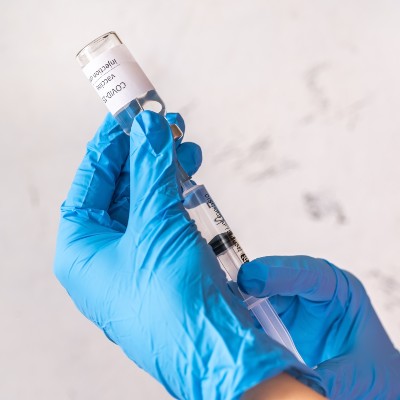
In much awaited first, the United Kingdom has become the first country in the world to begin a mass vaccinating programme against COVID-19 in a countrywide rollout that began on the 8th of December. The program will utilize the 95% effective RNA vaccine from the US pharmaceutical company Pfizer and its partner, German biotechnology company, BioNTech, after regulators approved its usage in the UK at the beginning of December.
Approximately 70 hospitals across the UK have now begun administering the vaccination to the over-80’s and National Health Service Staff who are carrying out the vaccination, alongside some of the most at-risk NHS staff. The vaccine currently requires two doses for full immunity over a 28-day period. On day one, patients will receive the first vaccine dose, and by day 12 they will begin to build immunity. On day 21, patients will need to receive the second vaccine dose and by day 28 they will have built full immunity.
The first person in the world to receive the vaccination was Margaret Keenan, from the UK, who is about to turn 91, she stated: “I feel so privileged to be the first person vaccinated against covid-19. It’s the best early birthday present I could wish for because it means I can finally look forward to spending time with my family and friends in the new year after being on my own for most of the year.”
According to The BBC, ‘the government has secured 800,000 doses of this vaccine to start with, but orders have been placed for 40 million in total, enough for 20 million people as two courses are needed. The majority of that is not expected to become available until next year, although government sources said another four million doses should arrive in the country by the end of the year.” The vaccine has been steadily delivered in refrigerated containers from Belgium, where it is being made.
The UK’s Health Secretary, Matt Hancock said that there was now “light at the end of the tunnel” and the UK Prime Minister Boris Johnson, said “today marks a huge step forward in the UK’s fight against coronavirus,” but he still urged the public not to begin relaxing on the rules, adding “as the program ramps up in the weeks and months ahead, it is as important as ever to keep to the Covid Winter Plan – following the rules in your area and remember the basics of hands, face and space.” The Government has also warned that, despite the roll out of the vaccination, restrictions may still be in place until Easter next year.
However, the rollout has not been without issues. According to the BBC, ‘but rollout of the jab has been complicated by the need to store it at -70C and that it comes in packs of 975 doses, which cannot yet be split into smaller batches. That has meant it has not been possible to offer it to care home residents in the first phase of rollout, despite the government’s vaccine advisers designating them the highest priority. The NHS is awaiting guidance from the drugs regulator, the Medicines and Healthcare Products Regulatory Agency, to see what steps are needed to allow these batches to be split and sent to individual care homes. That is expected to come in mid-December, which will pave the way for the vaccine to be offered to care homes and distributed to more than 1,000 designated GP centres.’
It is also not yet known just how long immunity lasts, some speculate that countries may need to vaccinate against the COVID-19 virus every year similar to the flu. Finally, when rolling out the vaccine in the first week, two NHS health workers had an allergic reaction, prompting regulators to amend their warnings, now stating that those who have a history of significant allergic reactions (to medicine, food or vaccines) should not have the vaccination.
Currently those that can receive the vaccination will be in the following order: Residents in an old age care home and careers; those aged 80 and over and frontline health workers; those aged 75 and over; those aged 70 and over and those who are clinically extremely vulnerable; those 65 and older, people between 16-64 with underlying health conditions, those over 60, over 55’s, over 50’s.
Regulators in the EU and the US have not yet approved the Pfizer/BioNTech vaccine but are expected to do so in the next few weeks. Other RNA vaccines have also completed phase III trials and could also be approved for rollout, these include the mRNA vaccine from Moderna and AstraZeneca.

Toni Campbell is a Contributing Editor at The National Digest based in the United Kingdom. You can reach her at inquiries@thenationaldigest.com.

