
Robocallers Target Voters with ‘Stay Home’ Message in Run Up To Election Day
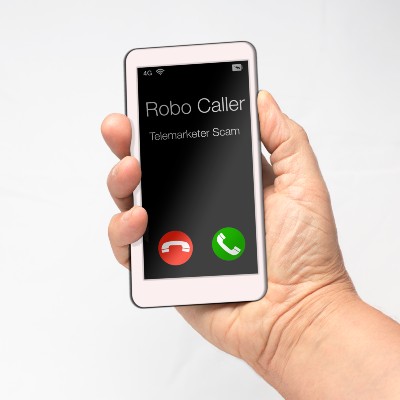
The FBI and the New York attorney general are investigating reports of robocalls which took place in the days and weeks leading up to election day and urged people to ‘stay safe and stay home’. Such an attack has been seen by some as a possible means of trying to suppress voters during the critical voting window.
Robocalls are not a new phenomenon and most of us will have experienced answering the phone to simply hear an unwanted, recorded message at the end rather than a human voice. Unfortunately, despite robocalls being used in perfectly acceptable circumstances, they have largely been associated with spammers, nuisance callers and as a means of attempted fraud.
The ‘stay home’ calls reportedly began over the summer but have increased in intensity as the election date drew closer. According to analysis by anti-robocall software company YouMail, around 90% of US postcodes were affected and in October there were over 10 million calls made. In this particular case, a female voice was heard urging the recipient to ‘stay home and stay safe’. No mention was made of the election or COVID-19, but this hasn’t stopped many from joining the dots and believing that it was an attempt to discourage people from voting. This viewpoint is also reinforced by the fact that the calls did not ask for any personal information or sensitive details, so the only possible outcome of the call would be to invoke fear or confusion in the recipient. The level of calls made is also significant and some experts believe this indicates more of a professional operation rather than just ‘kids playing around’.
Who may be to blame for this barrage of robocalls is anyone’s guess as naturally the perpetrators took steps to cover their tracks and as a result the calls are untraceable. Efforts to influence voters and intimidate them is of course illegal which is why this particular campaign has attracted so much attention.
Given the continued risk of transmission in the community, there has been a clear division between the recommendations from both the republican and the democrat parties. Joe Biden has been encouraging his supporters to vote by post to avoid gathering in large crowds at polling stations, whereas President Donald Trump has expressed his concerns over the validity of postal votes and urged his supporters to vote in person on Election Day. This would suggest to some that the robocall efforts, if indeed they are intended to sway voting, would do so in favor of the democrats. But on the other hand, this could also be applicable to anyone leaving their house to post their vote, so the evidence there is extremely lacking. Others believe that it is the efforts of a completely independent organization who are simply looking to disrupt the democratic voting process in America.
What is clear is that robocalls are not only an annoyance, they can also be extremely costly in some circumstances. According to an article in TechRepublic, around one in 10 Americans are scammed annually as a result of robocalls, costing an astonishing $9.5 billion each year.
You may wonder how these companies are able to get your phone numbers and the reality is that they are incredibly sophisticated and know exactly how to obtain the information they need. From spoof contests that require you to enter a mobile number to enter, through to the unauthorized selling of your data by trusted companies, there are a great many ways in which numbers are obtained. What’s more, sophisticated technology now enables callers to alter the zip codes and numbers so that it looks like one which you might need to take. I know I’ve certainly been tricked into answering numbers with my specific zip code, out of worry that it may be another line in the school for my kids that I don’t have saved in my phone, my doctor, my dentist or even a friend.
For the vast majority of people, alarm bells start ringing before any real damage is done, but those most vulnerable, such as the disabled and the elderly are at particular risk. Those who get easily confused, have memory problems or are not able to properly understand the call and the possibilities that it is a scam could see themselves scammed out of all of their life savings in just a few moments. In the most worrying of cases, these calls actually force the callers to either part with important information, such as bank details, or physically transfer money. Some purport to be the authorities who have issued a ‘warrant for your arrest’ due to unpaid bills, threatening that an officer is currently on route to their property unless they are able to pay the money owed immediately. Sometimes this is via the phone with a credit or debit card but others insist the victim physically visits the bank and makes the transfer in person. Such transactions are then much harder to be reversed as appears that the person made the payment out of their own free will.
Whilst it appears that these robocalls did not significantly impact the voting process for the US presidential election, it is worrying that such messages can still be disseminated under the radar.

Jenna Owen is a Contributing Editor at The National Digest based in the United Kingdom. You can reach her at inquiries@thenationaldigest.com.

