
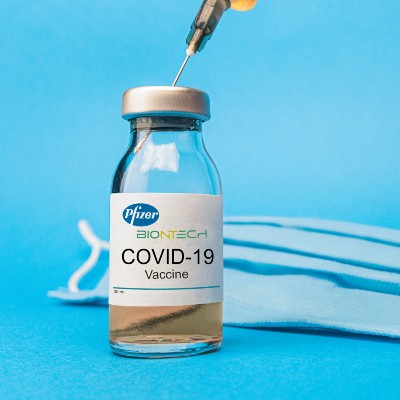
Pfizer Wins License For Use In The UK
The UK has licensed the Pfizer/BioNTech vaccine for mass immunisation to begin next week, making them the first western country to license a vaccine against Covid-19. After demonstrating 95% efficacy in its final trials, the UK has bought 40 million doses of the Pfizer vaccine and will begin administering it to those deemed most vulnerable on Monday.
Pfizer’s vaccine was authorized for emergency use by the UK Medicines and Healthcare products Regulatory Authority (MHRA) before final decisions had been made by the US and other countries in Europe. The MHRA was given special dispensation by the UK government to approve the vaccine before January 1, when the body will take full responsibility for medicines authorization in the UK after the Brexit process has been formally completed.
The vaccine is required to be kept at temperatures of -94F and the first doses will reach the shores of the UK over the weekend. Because of the controlled conditions required and the fact that it needs to be administered twice over a three-week period, the UK government faces a huge logistical challenge distributing the vaccine across the country, a challenge that will be even larger for the US government.
“The government has today accepted the recommendation from the MHRA to approve Pfizer/BioNTech’s Covid-19 vaccine for use,” a Department of Health and Social Care spokesman said.
“This follows months of rigorous clinical trials and a thorough analysis of the data by experts at the MHRA who have concluded that the vaccine has met its strict standards of safety, quality and effectiveness.
“The Joint Committee on Vaccination and Immunisation will shortly also publish its latest advice for the priority groups to receive the vaccine, including care home residents, health and care staff, the elderly and the clinically extremely vulnerable. The vaccine will be made available across the UK from next week.”
UK health secretary Matt Hancock said that the country would have its hands on 800,000 doses of the vaccine by the beginning of next week and that priority would be first given to those most vulnerable to falling seriously ill from the virus, then to those working on the frontline.
“This is fantastic news. The MHRA, the fiercely independent regulator, has clinically authorized the vaccine for rollout. The NHS stands ready to make that happen,” Hancock told Sky News.
“From early next week we will start the programme of vaccinating people against Covid-19 here in this country. The MHRA have approved it as clinically safe and we have a vaccine, so it’s very good news.”
Hancock also said that there was a network of 50 hospitals ready and waiting to deliver the first jabs, in addition to specialist vaccination centres that are currently being built. The vaccine will also be available from some GPs and pharmacists if they have cold storage facilities.
“Today we can announce that the government has accepted the recommendation from the independent medicines and healthcare products, regulatory agency to approve the Pfizer/BioNTech vaccine for distribution across the United Kingdom,” UK prime minister Boris Johnson said during a press conference announcing the vaccine authorization. “After months of clinical trials involving thousands of people to ensure that the vaccine meets the strictest internationally recognized standards of safety, quality, and effectiveness.”
“Thanks to the fantastic work of Kate Bingham and the vaccines task force, we’ve purchased more than 350 million doses of seven different vaccine candidates. And the UK was the first country in the world to pre-order supplies of this Pfizer vaccine securing 40 million doses,” he said.
“Through our winter plan, the NHS has been preparing for the biggest program of mass vaccination in the history of the UK, and that’s going to begin next week. And in line with the advice of the Independent Joint Committee on vaccination and immunization, the first phase will include care home residents, health and care staff, the elderly and those who are clinically extremely vulnerable.”
Each person will need to receive two doses of the vaccine, three weeks apart from each other. Hancock said that the initial order will cover those who are prioritized and that the bulk of the order of 40 million doses will be available in the new year.
“But there are immense logistical challenges. The virus has got to be stored at -70 degrees. Each person needs two injections, three weeks apart. So it will inevitably take some months before all the most vulnerable are protected, long, cold months,” Johnson continued.
“So it’s all the more vital that as we celebrate this scientific achievement, we’re not carried away with over optimism or fall into the naive belief that the struggle is over. It’s not. We’ve got to stick to our winter plan, a comprehensive program to suppress the virus, protect the NHS and the vulnerable. Keep education and the economy going and use treatments, testing and vaccines to enable us to return to much closer to normal by the spring.”

Harrison Discombe is a Contributing Editor at The National Digest based in the United Kingdom. You can reach him at inquiries@thenationaldigest.com.

