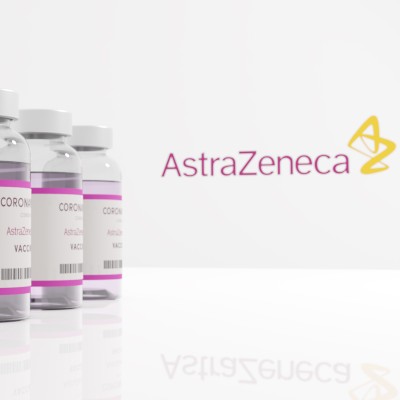
AstraZeneca Vaccine 79% Effective Against Symptomatic Covid-19, According To New US Study
AstraZeneca’s Covid-19 vaccine has proven to have a 79% efficacy against symptomatic Covid-19, and 100% efficacy against severe disease and hospitalizations, according to a new US study.
The findings from a new Phase 3 trial included more than 32,000 participants and came after many European nations began delaying the distribution of the AstraZeneca vaccine over blood clot fears. Many doctors and healthcare experts were quick to warn against delaying the distribution of these vaccines, because the blood clot risks were just as high as any other vaccine, and the delays are preventing vulnerable parties from being protected against the virus.
“The trial showed that the vaccine was well-tolerated and identified no safety concerns. An independent committee found no increased risk of thrombosis (blood clots) or events characterized by thrombosis among the 21,583 participants receiving at least one dose of the vaccine,” AstraZeneca said in a statement.
Ruud Dobber is the president of AstraZeneca’s biophermaceutical’s business unit who recently spoke with the media about the company’s future plans for rolling out their vaccine in the US.
“We plan to apply for emergency use authorization from the US FDA in April. If approved we’ll be the fourth Covid-19 vaccine available in the US.”
The University of Oxford, which helped develop the vaccine, claims that the “new findings add to previous trial data from the United Kingdom, Brazil, and South Africa, as well as real-world impact data from the United Kingdom.” 79% of trial participants were White, 22% were Hispanic, 8% were Black, 4% were Native American and 4% were Asian.
“About 20% of participants were 65 years and over and approximately 60% had conditions linked with higher risk of severe Covid-19, such as diabetes, severe obesity or heart disease. In patients 65 years and older, vaccine efficacy was 80%, — echoing the overall trial results — which is notable as some countries initially did not authorize the vaccine for use in this older age group, citing a lack of data from earlier trials,” AstraZeneca said.
“It is clear this vaccine has very good efficacy, remember that 60% was, prior to any trials being started, regarded as a good target, and that this efficacy does not show a notable decline at older ages. Previous assertions that the vaccine may be ineffective in older ages are totally unjustifiable,” according to Stephen Evans, a professor of pharmacoepidemiology at the London School of Hygiene & Tropical Medicine.
Dr. Peter Hotez, dean for the National School for Tropical Medicine at the Baylor College of Medicine, spoke with the press about how this new data was great news for Americans and the rest of the world: “I’m pretty confident now AstraZeneca will apply for, request emergency use authorization, so we’ll have that vaccine released to the American public. Despite recent pauses in the vaccine’s rollout, this is one of our workhorse vaccines that we’re expecting for Africa and Latin America. So this is good news also because it’s reaffirming for the vaccines used for global health as well.”

Eric Mastrota is a Contributing Editor at The National Digest based in New York. A graduate of SUNY New Paltz, he reports on world news, culture, and lifestyle. You can reach him at eric.mastrota@thenationaldigest.com.