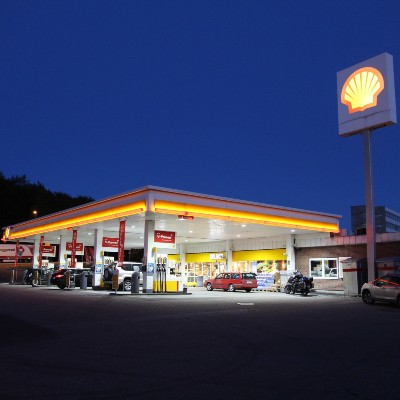
Shell Chief Executive Receives 40% Pay Cut Due To Covid-19 Pandemic
Royal Dutch Shell has cut the pay of its chief executive by more than 40% in 2020 due to the Covid-19 pandemic which dramatically dropped the demand for oil in the world; 2020 is regarded as the year with the steepest decline in demand for oil. Shell reported a loss of about $20 billion for 2020 due to this lack of demand.
Ben Van Beurden, the CEO, took a cut of around $5.8 million in 2020, and the year before he received a cut of around $10 million, marking the second consecutive year in which the chief executive received a major pay cut. His salary was completely halved back in 2019.
Van Beurden also was reportedly forced to cut Shell’s dividend for the first time since World War 2. It’s expected that the company will be cutting 7,000-9,000 staff members across their global businesses as well. These cuts are also the result of the massive financial loss the company is experiencing due to a lack of need for oil and other fossil fuels, as well as the growing need to live a greener lifestyle.
Shell also announced that its chairman, Chad Holliday, will be stepping down after six years with the company. He will be replaced by the former BHP chief executive Andrew Mackenzie, who also spent six years at his former company. His time with BHP was defined by his coworkers as an “ambitious turnaround in which we were able to streamline operations.”
“Right now it’s a pivotal time for the industry and wider society. I plan to profitably accelerate Shell’s transition into a net zero emissions energy business that would continue to generate substantial value for shareholders, customers and communities alike,” Mackenzie explained. Van Beurden also recently claimed that he was looking forward to working closely with Mackenzie.
“We are emerging from the Covid-19 pandemic with a clear and distinct strategy that I believe will enable us to seize the opportunities presented by the energy transition. I cannot think of anyone better than Andrew to take this role,” he said.
Oil prices have dropped dramatically since March of last year when the pandemic began. This was initially due to traders adjusting their prospects to cope with the lower demand. Shell cut its spending which lowered its pricing and future pricing as well.
Van Beurden refused to take an annual bonus last year, however, he still received one of about $3.7 million due to his long-term incentive plan which initially gave him a bonus of $8 million before his major pay cut back in 2019.
Oil prices have begun recovering in the early parts of 2021 due to dramatic cuts in production, as well as a rollout of multiple vaccine programs throughout the world that is helping stimulate the economy and return the world to a greater sense of normalcy.

Eric Mastrota is a Contributing Editor at The National Digest based in New York. A graduate of SUNY New Paltz, he reports on world news, culture, and lifestyle. You can reach him at eric.mastrota@thenationaldigest.com.