Gas Prices Top $4 as Middle East Conflict Disrupts Oil Supply
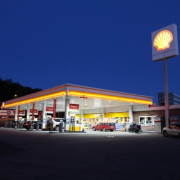
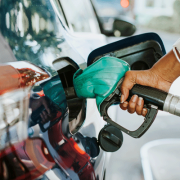
Gas prices across the United States have surged past a key threshold, placing renewed financial strain on consumers and adding pressure to the broader economy. On Tuesday, the national average for regular gasoline climbed above $4 per gallon for the first time since August 2022, capping weeks of steady increases tied to escalating tensions in the Middle East.
The rise has been swift. Since late February, average prices have jumped by roughly 35%, according to AAA data, following disruptions to oil supply linked to the ongoing conflict involving U.S. and Israeli forces and Iran. Although the United States does not rely heavily on Middle Eastern oil, the global nature of energy markets has pushed domestic prices higher.
Industry analysts say the psychological impact of the $4 mark could alter consumer behavior. “We have this obsession with gas prices because they dictate a lot of ‘Can we drive? Can we do things we enjoy?’ And now some of that is at risk,” said Patrick De Haan, an analyst at GasBuddy.
“As we get to a month of increases and prices are much higher, the amount of pressure on Americans’ budgets and their spending is going to ramp up.”
The effects are uneven nationwide. In California, drivers are paying an average of $5.89 per gallon, while Oklahoma residents pay far less at about $3.27 per gallon. Differences in taxes, refining expenses, and distribution systems continue to shape regional price disparities.
At the same time, diesel prices have also spiked, reaching $5.42 per gallon—up sharply from $3.76 before the conflict. Because diesel fuels are used for shipping and freight, the increase is expected to ripple through the economy, raising costs for goods ranging from groceries to furniture.
“It’s going to mean more expensive bills for truckers, tractors and trains that move the U.S. economy with diesel fuel. It’s going to mean consumers are likely greeted by rising grocery prices — and broadly speaking, a rise in U.S. inflation.”
Economists are increasingly concerned that sustained increases in fuel prices could accelerate inflation while slowing economic growth. Polling reflects that anxiety; more than half of Americans surveyed by Reuters/Ipsos reported that higher gas prices have already affected their household finances, with one in five saying the impact has been severe.
For President Trump, the situation presents both economic and political challenges. After previously highlighting falling fuel costs earlier in his term, the current surge serves as a visible reminder of the war’s consequences. “It is the biggest headache for whoever happens to be in power when something like this happens,” said Kate Gordon, a former senior adviser at the Department of Energy and now chief executive of California Forward.
While she noted that presidents typically have limited influence over gas prices, Gordon emphasized that this situation is unusual.
“Usually, a hurricane hits the gulf and gas prices go up, and then whoever’s in power gets blamed for it,” she said. In this case, she added, Trump is “going to get blamed anyway because he’s in power, but also he made the decision to go to war in Iran.”
The administration has attempted to respond with several measures to stabilize prices. These include plans to release 172 million barrels from the Strategic Petroleum Reserve, to ease restrictions on maritime shipping, and to temporarily suspend certain sanctions on oil shipments already in transit. Officials have also relaxed some summertime fuel-blend requirements to reduce pump prices.
Even so, structural factors are pushing prices upward. Seasonal demand is increasing as Americans prepare for spring and summer travel, while the switch to more expensive summer-blend gasoline further adds to costs. Meanwhile, domestic crude futures—though down from their peak during the crisis—remain more than 50% higher than they were at the end of February.
Abroad, countries more dependent on Middle Eastern oil supplies are already taking steps to curb consumption, including encouraging drivers to limit travel.
Experts say meaningful relief is unlikely until global supply routes stabilize. In particular, attention remains focused on the Strait of Hormuz, a critical shipping corridor for oil exports. “Opening the strait is the answer until it’s not,” Gordon said. “It’s the answer until someone attacks it again.”
For now, consumers are left adjusting to higher costs that are difficult to avoid. “There are some things you can change on the margins, but it’s not easy to change where you live, where you work, where you go to school,” Gordon said. “You can be more efficient, but it’s kind of a baked-in cost.”

Moumita Basuroychowdhury is a Contributing Reporter at The National Digest. After earning an economics degree at Cornell University, she moved to NYC to pursue her MFA in creative writing. She enjoys reporting on science, business and culture news. You can reach her at moumita.b@thenationaldigest.com.