
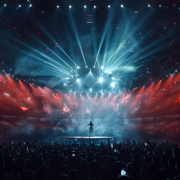
Harry Styles’ New Stadium Tour Draws Fan Complaints Over Ticket Prices And Obstructed Views
Harry Styles’ long-awaited return to touring was always going to arrive with enormous expectations. After two-and-a-half years away from the stage, the British pop star launched his 67-date “Together, Together” tour in Amsterdam, performing before a crowd of around 50,000 fans and debuting the live version of his new album, Kiss All the Time, Disco Occasionally.
For some, the opening night marked the triumphant beginning of a new chapter. But for others, especially fans who paid premium prices to attend, the show raised a more uncomfortable question of whether they got enough for what they spent.
The concerns began circulating almost immediately after the concert, with fans taking to X, Threads, TikTok, and Instagram to criticize everything from the length of the setlist to the stage layout. Although critics praised the performance as a successful comeback, some attendees felt the scale of the show did not match the cost of admission.
“Harry, please, I beg as a friend of someone that’s actually going to your shows—stadium shows cannot be the same length as arena shows—you need more than 20 songs,” one user posted on X.
“[The] price they’re paying does warrant more songs—The Weeknd’s stadium shows are 39-41 songs, brother.”
Ticket prices for the tour had already generated backlash when they first went on sale. Some resale listings reportedly climbed past $1,000, setting an especially high bar for fans who expected a stadium-sized production to match the stadium-sized price tag.
A major point of frustration was the stage itself. The show’s design featured elevated walkways connected across the stadium floor, a setup meant to bring Styles closer to different sections of the crowd. But some fans who purchased special VIP floor tickets for the tour’s first two nights said the roughly 10-foot-high runways left them with restricted views when Styles performed on or near them.
“The stage set up for the Harry Styles tour is genuinely one of the most poorly planned out stage designs I think I’ve ever seen. Like it pretty much means the majority of the floor tickets, aka the most expensive ones, have an absolutely crap view for most of the show, and some can’t even see the screens.”
A representative for the tour defended the broader concept behind the staging in a statement to Fast Company, while noting that the affected areas were under review.
“That open, free-flowing floor experience has always been an essential part of Harry’s live shows. A small area of the staging in specific floor positions appears to have had a restricted sightline. Those areas are being reviewed carefully and adjusted where possible in compliance with all safety restrictions.”
According to Variety, changes to the setup are expected in the coming days, though it remains unclear what those fixes will involve. Tour representatives have also reportedly encouraged floor-ticket holders to shift positions if their view is blocked, rather than remaining close to the barricades.
Variety, which attended opening night at Johan Cruijff Stadium in Amsterdam, reported that one mid-floor position offered mostly clear sightlines, although the elevated walkways occasionally obscured Styles. The outlet noted that fans farther back on the floor appeared to face more significant visibility issues, based on posts shared online.
The stage complaints also fed into a larger debate over the production value of Styles’ new tour. Some fans expected a more elaborate spectacle from an artist moving into stadiums, especially given the pricing and the scale of the venues. Instead, the Amsterdam show introduced a more restrained creative direction than the glitter-heavy, flamboyant aesthetic of Styles’ previous eras.
Visually, the new era is a clear departure. On opening night, Styles appeared in tailored trousers, a red jacket, a shirt, and a tie—a polished look that stood in contrast to the bright colors, sequins, and androgynous silhouettes that defined his last tour. For fans who associate Styles’ live performances with theatrical fashion and maximalist styling, the shift felt jarring.
Still, the show was not without new flourishes. The tour introduces elements that were not central to Styles’ past performances, including intricate choreography, backup dancers, and additional musicians during select acoustic numbers. In other words, the production may be less flamboyant in some areas, but it is not necessarily less considered.
That distinction has become central to the fan debate. While some viewers found the concert underwhelming, others argued that the new tour is being misunderstood by those expecting another round of his last aesthetic.
Another fan on X said the show worked especially well for people watching from the stands rather than the floor:
“Harry Styles tour is made to be seen from seating because yesterday was amazing and I have nothing to complain about.”
Supporters of the show have also pointed to the concept behind Styles’ new album, which appears to emphasize dancing and communal energy over the perfectly framed, phone-first concert experience that has become common at major pop tours. To those fans, the open floor design was not a mistake but part of the point.
“He put a lot of thought into this tour, he said he wanted people to dance, so obviously the floor is best for and has been made for that,” one user said. “Why be on the floor if you aren’t dancing?”
The issue is not unique to Styles’ tour. Variety noted that Beyoncé’s “Cowboy Carter” tour faced similar sightline complaints, with some venues reportedly raising sections of the floor, though there was no official confirmation from that tour about the tactic.
The disagreement ultimately reflects the tension surrounding many high-priced stadium tours; fans are not only paying to see an artist perform but also to satisfy expectations of spectacle, access, and visibility. For Styles, whose image has long been tied to fashion, theatricality, and fan intimacy, even a deliberate creative reset can feel like a downgrade to those who came expecting a bigger, brighter version of what came before.

Moumita Basuroychowdhury is a Contributing Reporter at The National Digest. After earning an economics degree at Cornell University, she moved to NYC to pursue her MFA in creative writing. She enjoys reporting on science, business and culture news. You can reach her at moumita.b@thenationaldigest.com.