Next year, the Olympics are scheduled to be held in Tokyo, the first time the Olympics will be held in this city since 1964. Like all Olympic events, the 2020 Olympics are expected to be a massive tourism and economic opportunity for its host city, and over 11,000 athletes from 206 nations plan on participating. Millions of people from around the world have entered a lottery, hoping for the opportunity to buy tickets to the two-week event. The massive event, preparations for which are already well underway, is funded by a 400 billion Japanese yen fund set aside by the Tokyo Metropolitan Government, which is paying for the construction of massive venues and infrastructure, including a temporary “Olympic Village” where athletes live during the duration of the event.
The opening ceremony for the 2020 Olympics will take place in Tokyo, on July 24th, and preliminary soccer and softball matches begin July 22nd. A record 339 events in 50 sports will be held throughout the 2020 Olympics, with the sports of karate, climbing, surfing, and skateboarding appearing for the first time. Additionally, baseball and softball will make their debut in the 2020 Olympics, which is appropriate considering the massive popularity of these sports in Japan. Though most of the events will be held in Tokyo, a number of events will also be held in surrounding areas, including the Sapporo Dome on the island of Hokkaido and the Fukushima Azuma Baseball Stadium.
Embed from Getty Images
A total of 7.8 million tickets will be sold, and even this number is insufficient to meet demand, as tickets have been sold via a lottery system, with most tickets being reserved for local fans. As such, it is difficult, yet still possible, to purchase tickets to the 2020 Olympics. Though all available tickets have already been sold, additional rounds of ticketing will occur throughout next year. Additionally, the Tokyo Olympics organizing committee will allow customers to resell their tickets, with the maximum ticket price being the original face value, to prevent scalping. If you miss out on getting tickets to the Olympics, there are other ways to enjoy the Olympics in and around Tokyo by attending so-called “Live Site” venues, where televised sports broadcasts will be featured and other programs will take place.
Overall, travelling to Tokyo for the Olympics is sure to be an expensive, complex, and crowded operation, ideal for die-hard fans of Olympic sports but perhaps not for casual sports fans.
Owing to its massive size, security at the event will be strict. Drones are banned from flying over the events, and police have implemented facial recognition technology and other advanced surveillance technologies to combat the threat of terrorism and violence. Tokyo, fortunately, is considered one of the safest cities in the world, and has been relatively unaffected by violent extremism; however, the tremendous scale of the undertaking has raised concerns about cyberattacks and other threats to safety, including the possibility of a natural disaster, resulting in the implementation of security measures on an unprecedented scale.
Additionally, the Olympic Committee has instituted a controversial policy of disallowing audio and video recordings made at the event from being posted to social media, and organizers are expected to rapidly issue takedown notices on social media networks for any violations. Photos, however, are allowed to be posted, but the intellectual property rights of photos taken at the event will be transferred to the Committee.
Embed from Getty Images
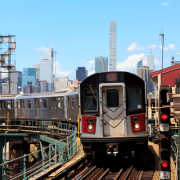
Tokyo’s public transit system is sprawling and complex, a necessity to handle the city’s densely-packed population. This system will be put to the test during the Olympics, as the number of expected visitors far exceeds the system’s ordinary capacity. As such, Tokyo is making a tremendous investment in its public transportation infrastructure to handle the influx of tourists, but the system is complex enough that visitors are advised to perform extensive research about how best to navigate the city, using online tools like Hyperdia.
Perhaps one of the greatest challenges for tourists, however, is affordable lodging. Prices for hotel rooms have skyrocketed, and the tiny “capsule” hotel rooms for which the city is well-known have quintupled in price during the Olympic season. Making matters worse, Japanese hotel rooms are small compared to those throughout most of the world, and under Japanese law, hotels charge per-person, not per-room. Other options include AirBnBs, which are gaining popularity in the country but nonetheless remain expensive, and cruise ships, which are set to function as “floating hotels” during the Olympic games.
Overall, travelling to Tokyo for the Olympics is sure to be an expensive, complex, and crowded operation, ideal for die-hard fans of Olympic sports but perhaps not for casual sports fans. For these people, attending local events where the Olympic games are rebroadcast and other activities are held can be a cheaper and less stressful way to enjoy this upcoming historic event.