Posts

hrt

Women Taking HRT For Menopause Have A Lower Risk Of Dementia, New Study Suggests 

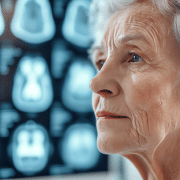
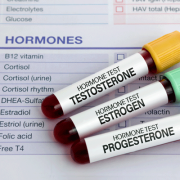
According to a new study, women who use hormone replacement therapy (HRT) may have a reduced risk of dementia. 

The study itself took place in the United Kingdom and was the largest of its kind, tracking over 180,000 post menopausal women. The scientists found that the participants who used HRT were 10% less likely to develop any kind of dementia and 16% less likely to be diagnosed with Alzheimer’s, compared to those who never used it, according to reports

Embed from Getty Images

The study and its findings were published in the journal Alzheimer’s & Dementia, and was led by Professor Anne-Marie Minihane, who is also the director of the Norwich Institute for Healthy Aging at the University of East Anglia. 

Minihane revealed that they saw the greatest risk reduction in women using HRT who also underwent surgical menopause, finding a 26% lower risk of developing any type of dementia compared to women who didn’t use the therapy. 

“While HRT has long been prescribed primarily to relieve menopausal symptoms such as hot flashes and night sweats, this work suggests it may also play a role in long-term cognitive health for some women.”

Women are more likely to develop dementia due to the fact that, statistically, they live longer than men. Scientists also think it could be related to the impact of menopause on their brain metabolism and the impact of the main risk gene for Alzheimer’s being greater on women. 

“We wanted to better understand how HRT could prevent dementia and to assess if particular groups of women may respond differently,” Minihane said

The study used data from the UK Biobank, allowing them to track 183,450 postmenopausal women over about 13 years. Throughout that timespan almost 4,000 cases of dementia were identified, and the scientists looked at whether or not using HRT of any kind for at least one year changed women’s risk of developing dementia. 

Embed from Getty Images

The study also pointed out that women who naturally had lower oestrogen exposure throughout their life, either due to starting their periods late or going through early menopause, would benefit more from HRT, with a 16% lower risk of any kind of dementia. 

Of course, genetics also play a role. Women who carried the Apoe4 gene had a stronger association with HRT use and dementia. 

“This is really important because Apoe4 carriers are typically considered at higher risk and have fewer established prevention options,” said Minihane.

The results of this study are based on observational data rather than a randomized-controlled trial, so there’s no way to prove a causal link.

Dr Susan Kohlhaas, the executive director of research and partnerships at Alzheimer’s Research UK, said

“This study alone isn’t enough to tell us whether HRT should be used to reduce dementia risk, but it provides further evidence that the timing of HRT and a woman’s hormonal history may matter.

“We now need research that can establish whether HRT itself is responsible for these differences in dementia risk and understand which forms of HRT may have an effect.

“Anyone considering starting or stopping HRT should speak to their GP about the potential benefits and risks for them.”

scientist

Scientists Say They Have Fully Reversed Alzheimer’s In Mice 

Alzheimer’s disease impacts more than seven million Americans, devastating their cognitive ability and overall identity. It’s a highly researched disease that even the biggest minds in science and healthcare are continuing to learn more about. 

Now, a team of American scientists are claiming that they’ve “cured” lab mice suffering from the disease, a monumental step towards the future of fighting Alzheimer’s and, potentially, other cognitive diseases. 

Embed from Getty Images

According to a new paper in the journal Cell Reports Medicine. Scientists from Ohio’s Case Western Reserve University (CWRU), University Hospitals, and the Louis Stokes Cleveland VA Medical Center, researchers administered rodents with the compound P7C3-A20 leading to the reversal of Alzheimer’s. 

“The key takeaway is a message of hope — the effects of Alzheimer’s disease may not be inevitably permanent. The damaged brain can, under some conditions, repair itself and regain function.” said Andrew A. Pieper, the study’s principal investigator in a statement

This research is a part of a much larger wave of new lab studies that are working to help treat, and even cure, Alzheimer’s and other neurological issues. 

University of Edinburgh neuroscience professor Tara Spires-Jones, who wasn’t part of this study, told the BBC “scientists are closer than ever to a truly life-changing treatment — in as little as five to 10 years; instead of a slow death where people lose themselves. New tests will detect the condition early and innovative treatments will really make your life normal.”

Scientists have been moving closer and closer to understand the causes of Alzheimer’s, looking at factors such as genetics, environment, and other stressors. 

According to Sharon Adaro of Futurism Magazine, “In the P7C3-A20 study, the scientists focused on the impact of the crucial molecule NAD+, a coenzyme important for driving cellular metabolism and which decreases as we age. 

Patients with Alzheimer’s suffer from a significant decrease of NAD+ in the brain, and hence their brain cells have trouble maintaining normal functionality, staving off inflammation, and canceling other physical hallmarks of the disease,” Adaro wrote

Embed from Getty Images

In this study, the team looked at two types of lab mice that were genetically bred to be predisposed to Alzheimer’s. The groups were differentiated based on which specific proteins they had that contained mutations causing them to be predisposed. The team injected P7C3-A20 into both groups when they were two months old. 

As the mice aged, they didn’t develop the disease. Additionally, the team injected the compound into a batch of lab mice who were six months old and suffering from an advanced stage of Alzheimer’s. 

After that group received their injections, they completely recovered their cognitive ability as well as NAD+ levels were completely restored to normal levels. 

“We were very excited and encouraged by our results,” said Pieper in the statement

“Restoring the brain’s energy balance achieved pathological and functional recovery in both lines of mice with advanced Alzheimer’s. Seeing this effect in two very different animal models, each driven by different genetic causes, strengthens the new idea that recovery from advanced disease might be possible in people with AD when the brain’s NAD+ balance is restored.”

“What’s also good about this study is that P7C3-A20 offers an alternative pathway to boosting NAD+ levels versus taking over-the-counter chemical precursors for NAD+, which can raise NAD+ to such toxic levels that people could develop cancer,” Pieper said.

novo

Novo Nordisk Stock Falls After Alzheimer’s Drug Trials Fail to Show Benefit

Novo Nordisk’s long-shot attempt to expand its blockbuster semaglutide franchise into Alzheimer’s treatment ended in disappointment this week, triggering a sharp slide in the drugmaker’s stock.

On Monday, the company announced that two major studies of Rybelsus, an older oral formulation of semaglutide, failed to show any slowing of cognitive decline in people with early-stage Alzheimer’s.

The results extinguish what the company itself had framed as a speculative but potentially transformative pivot. Last fall, Ludovic Helfgott, Novo’s executive vice president for product and portfolio strategy, famously described the trials as a “lottery ticket,” a nod to the uncertainty of whether GLP-1 drugs could make any dent in a disease that affects more than 55 million people worldwide. That ticket did not pay out.

The EVOKE and EVOKE+ trials enrolled a total of 3,808 participants aged 55 to 85. Over two years, researchers tracked changes in memory, daily function, and cognition, aiming for at least a 20% slowing of decline. The studies had a planned third-year extension, but Novo cut them short.

Erik Berg-Johnsen of Storebrand Asset Management, which holds Novo shares, called the failure “a nail in the coffin” for the use of semaglutide in Alzheimer’s.

Embed from Getty Images

“The fact that the study was discontinued after two years, despite a planned third-year extension, suggests that semaglutide offers virtually no benefit in slowing Alzheimer’s progression.”

Chief Scientific Officer Martin Holst Lange echoed the verdict but emphasized semaglutide’s existing strengths.

“While semaglutide did not demonstrate efficacy in slowing the progression of Alzheimer’s disease, the extensive body of evidence supporting semaglutide continues to provide benefits for individuals with type 2 diabetes, obesity, and related comorbidities.”

For Novo’s incoming CEO, Mike Doustdar, the timing couldn’t be worse. The drugmaker is already navigating slowing sales growth for Ozempic and Wegovy, intensifying competition from U.S. rival Eli Lilly, and a sagging share price that contributed to leadership changes and layoffs earlier this year.

Analysts had warned from the start that the Alzheimer’s program was high-risk; UBS had predicted only a 10% chance of success.

“Based on the significant unmet need in Alzheimer’s disease as well as a number of indicative data points, we felt we had a responsibility to explore semaglutide’s potential, despite a low likelihood of success,” said Lange in a statement on Monday that thanked trial participants.

Embed from Getty Images

Even so, Monday’s market reaction was harsh. A roughly 10% decline in Novo’s share price, Jyske Bank analyst Henrik Hallengreen Laustsen argued, looked like an “overreaction.” Sydbank analyst Soren Lontoft Hansen suggested the results were unsurprising.

“The share’s reaction is probably more due to the bad sentiment around the Novo Nordisk shares and the negative news flow over the past year – perhaps there was hope for a little tailwind from this study.”

The failure had immediate implications for other drugmakers. Shares of Biogen rose about 5% in premarket trading after the announcement. Biogen and Eisai’s Leqembi, along with Eli Lilly’s Kisunla, remain the only approved Alzheimer’s treatments in the U.S. and are both administered by infusion or injection and are both associated with serious side effects.

“There was some fear that Ozempic might reduce the opportunity for Leqembi and other Alzheimer’s drugs by preventing progression of disease. So these data lift a potential competitive overhang,” noted Cantor analyst Eric Schmidt.

The Rybelsus studies were being scrutinized not only for scientific merit but for their commercial implications. GLP-1 drugs like semaglutide are already used by millions for diabetes and weight loss. If they had shown a meaningful impact on cognitive decline, the market potential would have been enormous.

Instead, the setback reinforces the view that Alzheimer’s is unlikely to become a new frontier for this drug class. For now, Novo’s dominance remains rooted in metabolic disease, while the Alzheimer’s field moves on without a new contender from the GLP-1 powerhouse.

knit

The Curious Case of ‘SuperAgers’: How Some People Over 80 Keep Minds as Sharp as Ever

At 85, Sel Yackley is busier than most people half her age. Her days are filled with civic organization meetings, choir practice, book clubs, gym workouts, and knitting scarves for the homeless. She even finds time to get 7.5 hours of sleep a night, according to her Fitbit.

She’s also a SuperAger — a rare class of individuals 80 or older whose memory performance rivals that of people decades younger. As researchers at Northwestern University’s Mesulam Center for Cognitive Neurology and Alzheimer’s Disease explain, Yackley is more than just a high-functioning anomaly. She’s a living clue in a scientific mystery that may reshape how we understand aging.

When most people think of aging, they picture cognitive decline, memory lapses, and slower recall. But the SuperAgers at the center of Northwestern’s long-running study defy these expectations.

Since 2000, nearly 300 older adults have participated in the Northwestern University SuperAging Program (NUSAP), which focuses on individuals whose memory — particularly their delayed word recall — remains robust well into their 80s, 90s, and even beyond.

Yackley, who moved to Chicago from Turkey, credits both her genes and her spirit. Her parents lived into their late 80s, and she maintains a lifestyle rich in engagement and purpose.

“I think it’s partly your determination to live a long life and your activities that enable you to do so,” she told NBC News. She also encourages older adults to “pursue things that make you proud.”

So what exactly makes a SuperAger tick? That’s the question researchers at the Mesulam Center have been asking for the past 25 years. Their latest findings, published this week in “Alzheimer’s & Dementia: The Journal of the Alzheimer’s Association,” shed light on both the lifestyle habits and biological features that distinguish SuperAgers from their peers.

Embed from Getty Images

Dr. M. Marsel Mesulam first coined the term “SuperAger” in the late 1990s. Since then, his team — now led, in part, by Dr. Tamar Gefen, a neuropsychologist and associate professor at Northwestern — has taken a multi-pronged approach, including cognitive testing, lifestyle analysis, and post-mortem brain studies.

Interestingly, Gefen notes that most SuperAgers have one major thing in common: connection.

“I don’t know if it’s necessarily social connections, it’s just connections in general. There are people who are connected to the land, there are people who are connected to their ancestry, people who are connected to their grandchildren, who are connected to their art. You don’t see a lot of detached SuperAgers.”

To explore the neuroscience behind this phenomenon, researchers have autopsied nearly 80 brains of SuperAgers and compared them to those of neurotypical older adults. They focused on two biological markers heavily linked to Alzheimer’s disease: amyloid plaques and tau tangles.

SuperAgers had significantly fewer tau tangles in memory-critical regions of the brain — despite having similar levels of amyloid buildup.

This raises a provocative question, Gefen says: “Are we really targeting the right target if SuperAgers and their peers have similar amounts of amyloid?”

Their brains also feature larger entorhinal neurons, which play a key role in memory, and an abundance of von Economo neurons — rare cells believed to be associated with social intuition and complex emotions.

While some scientists believe these neural traits may be present from birth, researchers are now digging deeper into the cellular and genetic makeup of SuperAgers to understand how these advantages are maintained over time.

Of course, lifestyle alone doesn’t paint the full picture.

“Genetics is a part of it, definitely,” Gefen explains. For instance, some SuperAgers lack the high-risk gene variants associated with Alzheimer’s, such as APOE4. People of European descent who inherit two copies of APOE4 have up to a 60% chance of developing Alzheimer’s by age 85, but SuperAgers often don’t carry that burden.

Embed from Getty Images

“Our guess is that [SuperAgers] are probably born with these kinds of structural protections, but we’re now going really deep into the molecular mechanisms of the cell in order to figure out what is keeping that cell strong.”

Gefen is interested in whether the genes that SuperAgers harbor can prevent the development of Alzheimer’s disease.

“Is there a gene, let’s say, that’s related to the immune system, that is over-expressed in SuperAgers that can be manipulated to then help individuals protect themselves?”

SuperAgers are rare — at least for now. During the program’s initial recruitment period, only about 10% of participants met the criteria for being a SuperAger. Today, 101 active participants, aged 81 to 111, continue to contribute data, perspective, and even their eventual brain tissue to science.

And they come from all walks of life. Some are health nuts; others still enjoy the occasional vice. Some had stable, happy lives; others endured serious trauma and hardship. What unites them isn’t a perfect past — it’s resilience, purpose, and cognitive performance that stand out against the odds. “These SuperAgers know that they have a gift,” Gefen says.

Sel Yackley has already arranged for her brain to be donated to Northwestern’s Brain Bank — and, she hopes, her organs as well.

“Hopefully, maybe my heart or my kidneys can be used for transplanting. I don’t want to be underground.”

She’s still got things to do, though. The retired journalist and travel agent is currently tackling a scrapbook of her life. She logs about 4,200 steps a day and keeps her social calendar full. Her next goal? Making it to 90.

Alzheimers

FDA Clears First Blood Test in U.S. to Aid Alzheimer’s Diagnosis, Marking Major Breakthrough in Early Detection

In a significant leap forward for Alzheimer’s diagnostics, the U.S. Food and Drug Administration (FDA) has given the green light to the first blood test designed to aid in the diagnosis of Alzheimer’s disease. The test, developed by Pennsylvania-based Fujirebio Diagnostics Inc., offers a more accessible, less invasive alternative to traditional diagnostic tools like PET scans and spinal taps.

The newly approved tool, officially named the Lumipulse G pTau217/β-Amyloid 1-42 Plasma Ratio, is geared toward adults aged 55 and older who are showing symptoms consistent with Alzheimer’s. Rather than measuring amyloid plaques in the brain directly, it assesses the ratio of two key proteins—pTau217 and beta-amyloid 1-42—found in blood plasma. This ratio has been found to correlate strongly with the presence or absence of amyloid plaque buildup in the brain, a defining feature of Alzheimer’s pathology.

While this test does not stand alone as a diagnostic measure, its FDA clearance means clinicians now have a powerful new screening option in their arsenal. Medical professionals will still need to combine the blood test results with other clinical evaluations, including cognitive testing, neurological exams, and patient history.

“Alzheimer’s disease impacts too many people, more than breast cancer and prostate cancer combined,” said FDA Commissioner Dr. Martin Makary in the agency’s Friday announcement.

“Knowing that 10% of people aged 65 and older have Alzheimer’s and that by 2050 that number is expected to double, I am hopeful that new medical products such as this one will help patients.”

Until now, diagnosing Alzheimer’s has been a complex and costly process, often requiring brain imaging or cerebrospinal fluid analysis. These procedures can be expensive—PET scans alone can run thousands of dollars—and are not always widely accessible. The Fujirebio test, by contrast, offers a faster and potentially more affordable option for initial screening, helping patients and doctors identify Alzheimer’s earlier in its course when interventions might be more effective.

Embed from Getty Images

The FDA’s clearance of the test was based on clinical data involving 499 adults who were cognitively impaired. Their plasma samples were analyzed using the new test and compared against PET scans or cerebrospinal fluid results.

The findings were encouraging: 91.7% of patients who tested positive for Alzheimer’s using the blood test were confirmed to have amyloid plaques through imaging or spinal fluid, while 97.3% of those who tested negative also showed no plaques.

Still, like all diagnostic tools, the test carries some risk of error. The FDA notes that false positives or negatives are possible and emphasizes the need to interpret results in the broader context of a patient’s health profile.

Dr. Richard Isaacson, a preventive neurologist and one of the nation’s pioneers in Alzheimer’s prevention clinics, has long used the Lumipulse test in research settings. He praised the FDA’s decision as a much-needed step forward.

“It can provide better clarity into whether a person experiencing memory loss may have Alzheimer’s disease. They can take this test as a screening test,” said Isaacson, who is also the director of research at the Institute for Neurodegenerative Diseases in Florida. Compared with costly PET scans or spinal taps, “this is a much more simple screening test, with reasonable accuracy, to tell the physician that a person with cognitive decline has symptoms that are actually due to Alzheimer’s disease.”

Still, he urged caution. “I think the next step as a field is, we need to advance education about what these tests mean and what they don’t and who they should be used for,” he said. “Because they mean different things in different people depending on their risk factors and whether or not they have symptoms. So we’re still early.”

Fujirebio’s president and CEO, Monte Wiltse, expressed hope that this breakthrough would catalyze the development of new treatments.

“An early and accurate diagnosis will also facilitate the development of new drug therapies, which are urgently needed as the prevalence of AD increases with a rapidly aging population globally,” Wiltse stated during a news release after the company first submitted its test for FDA approval.

Embed from Getty Images

Currently, about 42% of Americans over age 55 are expected to develop some form of dementia. Amyloid deposits can begin to form in the brain decades before noticeable symptoms appear, and the earlier these deposits are detected, the more opportunity there is for intervention—whether through lifestyle changes, cognitive therapies, or new medications.

Dr. Maria Carrillo, chief science officer at the Alzheimer’s Association, echoed the optimism in a statement released Friday.

“For too long, Americans have struggled to get a simple and accurate diagnosis. With today’s action by the FDA, we are hopeful it will be easier for more individuals to receive an accurate diagnosis earlier.”

While blood-based biomarker tests have existed for research and private lab use, the Fujirebio Diagnostics test is the first to gain FDA clearance, potentially opening the floodgates for similar tools.

“Blood-based biomarkers are reshaping how we identify and understand Alzheimer’s disease,” Carrillo said. “At the same time, there are important questions for health care professionals to consider; in particular, who should be tested and when.”

Dr. Howard Fillit, co-founder of the Alzheimer’s Drug Discovery Foundation, told CNN in an email on Friday, “The ability to diagnose Alzheimer’s earlier with a simple blood test, like we do for cholesterol, is a game changer, allowing more patients to receive treatment options that have the potential to significantly slow or even prevent the disease.”

“This is a clear example of the new era of Alzheimer’s research where innovation, science and technology come together to develop more accessible, affordable and scalable tools that will pave the way for additional regulatory approvals of diagnostic tools.”

dementia

Dementia Cases in the U.S. Will Double by 2060, New Study Predicts

Cases of dementia in the United States are projected to double in the next 30 years, according to a new study published in the journal Natural Medicine. The study’s results project annual dementia cases will surge from 500,000 in 2020 to nearly 1 million by 2060.

The study was carried out by researchers from Johns Hopkins University, Mayo Clinic and New York University. It focused on three decades worth of data from more than 15,000 people, estimating their lifetime risk of developing dementia between the ages of 55 and 95.

Research indicates that individuals over the age of 55 face a 42% risk of developing dementia, a figure that more than doubles the risk reported in previous studies. After reaching the age of 75, the lifetime risk rises to over 50%. The figures are partially due to an aging U.S. population and longer lifespans.

Dr. Josef Coresh, a study senior investigator, epidemiologist and founding director of the Optimal Aging Institute at NYU Langone, said in a press release that the study results forecast a “dramatic rise in the burden from dementia in the United States over the coming decades, with one in two Americans expected to experience cognitive difficulties after age 55.”

“The pending population boom in dementia cases poses significant challenges for health policymakers in particular, who must refocus their efforts on strategies to minimize the severity of dementia cases, as well as plans to provide more healthcare services for those with dementia.”

Embed from Getty Images

Research indicates that women, Black Americans, and individuals with the APOE4 gene face a heightened risk of developing Alzheimer’s disease. Women have a higher risk because they typically have longer lifespans.

“Their risk of getting dementia by the time their 95th birthday would arrive is higher because more of them will make it closer to their 95th birthday.”

The authors of the study projected that the number of cases among White Americans is set to nearly double, whereas the figures for Black Americans could see a staggering tripling.

“These results highlight the urgent need for policies that enhance healthy aging, with a focus on health equity. The lifetime risk of dementia can inform public health planning and improve patient engagement in prevention.”

Dr. Alexa Beiser, a professor of biostatistics at Boston University School of Public Health, who was not affiliated with the new study but reviewed it independently for the journal, told The New York Times, “One needs to see the huge magnitude of the issue. It’s enormous, and it’s not equally distributed among people,” Dr. Beiser said.

Embed from Getty Images

Dementia encompasses a range of symptoms characterized by a decline in cognitive functions, such as memory loss and difficulties with concentration. These issues can profoundly impact daily life and an individual’s ability to function independently.

Currently, there is no designated test to diagnose dementia in individuals. Doctors diagnose Alzheimer’s and various forms of dementia through a meticulous process that includes a thorough medical history, physical examination, laboratory tests, and the monitoring of changes in cognition and daily functioning.

Alzheimer’s disease, Huntington’s disease, Lewy body dementia, frontotemporal dementia and vascular dementia can all be grouped under dementia. However, Alzheimer’s is the most common disease that causes dementia.

According to the Centers for Disease Control and Prevention, approximately 10% of individuals aged 65 and older in the United States have dementia.

Aging stands out as the primary contributor to the onset of dementia; however, various genetic predispositions, lifestyle choices, and underlying health conditions can significantly increase this risk. These include diabetes, hypertension, obesity, an unhealthy diet, insufficient exercise, and poor mental health.

The study underscores the importance of preventative measures to slow the onset of dementia. The recommendations of the authors and other experts include improving cardiovascular health through medication and lifestyle changes, preventing and treating strokes, and encouraging people to wear hearing aids, which allow people to be more socially and cognitively engaged.

dementia

Scientists Discover New Way To Potentially Slow Down The Progression Of Dementia 

Scientists at the University of Helsinki have successfully demonstrated a new way to potentially slow down the progression of dementia, and other memory disorders. 

Within their demonstration, according to SciTechDaily, scientists showed that a compound called a “PREP inhibitor” can prevent the build up of one of the harmful proteins that’s responsible for contributing to memory disorders. 

Embed from Getty Images

The protein build up itself is seen in patients suffering with Parkinson’s disease, Alzheimer’s, and other types of dementia. 

According to the University of Helsinki and their publishing in SciTechDaily, the process within these diseases “involves the formation of b-amyloid plaques and Tau protein aggregates within brain cells, which are known as neurofibrillary tangles. The prevailing theory suggests that the creation of Tau aggregates ultimately leads to the death of neurons.”

The amount of Tau present parallels the severity of symptoms within these diseases. 

In a published paper, Professor Timo Myöhänen’s group from the Universities of Helsinki showed that “a PREP inhibitor reduces Tau accumulation and toxicity also in the cellular models, including patient-derived neurons from frontotemporal dementia patients.”

Embed from Getty Images

The PREP inhibitor treatment was also tested within a mouse model for frontotemporal dementia. In the clinical trial, a one-month treatment with the PREP inhibitor was started by the time scientists found memory impairment within the subjects. 

After their PREP inhibitor treatment, the mice who received a control treatment showed poor performance in memory tests, while the mice treated with the PREP inhibitor had normal cognitive skills. 

“Our most important discovery was that the PREP inhibitor treatment had reduced Tau accumulation in the brain areas related to cognition and memory, also leading to reduced oxidative stress markers that are common in neurodegenerative diseases,” says Professor Timo Myöhänen.

“The results from the memory tests after PREP inhibitor treatment were surprisingly good, as treatments in similar studies are usually initiated before the symptoms, not after symptom onset. This supports the further development of PREP-targeting drugs, and we are currently looking for investors or collaborators for this”, Professor Myöhänen says.

isolated

Social Isolation Linked to Higher Risk of Developing Dementia

A recent study found that the risk of developing dementia is 27% higher among older adults who lack regular social contact and interaction with others.

The study, conducted by researchers from the Johns Hopkins University School of Medicine, was published in the Journal of the American Geriatrics Society. It used data from a group of 5,022 participants aged 65 and older (with an average age of 76) as part of a long-term study titled National Health and Aging Trends.

At the time of the study, the participants were not living in a nursing home, residential care facility or other institution. They were asked to complete a two-hour, in-person interview to assess cognitive function, health status and overall well-being.

Initially, about 23% of the participants were socially isolated but showed no signs of dementia. The other 77% of participants were not considered socially isolated.

According to the study, social isolation is characterized by interacting with others infrequently and having few relationships. The researchers considered if participants lived with others, attended religious services, participated in social events, or discussed “important matters” with two or more people in the past year. Participants who engaged in none of the above were considered socially isolated.

Embed from Getty Images

During the nine years of the study, researchers periodically administered cognitive tests. The study showed that 26% of the participants considered socially isolated developed dementia, compared with 20% of those who were not deemed socially isolated.

In total, 21% of all participants had developed dementia, leading researchers to conclude that the risk of developing dementia over nine years was 27% higher in socially isolated older adults.

Social isolation among older adults is associated with greater dementia risk. Elucidating the pathway by which social isolation impacts dementia may offer meaningful insights for the development of novel solutions to prevent or ameliorate dementia across diverse racial and ethnic groups.”

Dr. Alison Huang, a senior research associate at the Johns Hopkins Bloomberg School of Public Health, said, “one possible explanation is that having fewer opportunities to socialize with others decreases cognitive engagement as well, potentially contributing to increased risk of dementia.”

Dr. Thomas Cudjoe, an assistant professor of medicine at Johns Hopkins and a senior author of the study, stated  in a news release that “social connections matter for our cognitive health, and it is potentially easily modifiable for older adults without the use of medication.”

Embed from Getty Images

The Centers for Disease Control and Prevention says that around 5.8 million Americans have Alzheimer’s disease, the most common form of dementia.  Being socially isolated “has also been linked to poor mental health and emotional well-being in older people.”

Another study that used data from participants in the same National Health and Aging Trends study “found that more than 70% of people age 65 and up who were not socially isolated at their initial appointment had a working cellphone and/or computer, and regularly used email or texting to initiate and respond to others.”

This second study, conducted over four years, found that older adults who used these technologies showed a 31% lower risk for social isolation than other participants. 

Dr. Mfon Umoh, a postdoctoral fellow in geriatric medicine at the Johns Hopkins University School of Medicine, said that “basic communications technology is a great tool to combat social isolation.” 

“This study shows that access and use of simple technologies are important factors that protect older adults against social isolation, which is associated with significant health risks. This is encouraging because it means simple interventions may be meaningful.”

Study Finds Sleeping “Sweet Spot” Helps Older Adults Maintain Cognitive Performance

If your sleeping patterns are irregular, it might be time to make changes in favor of your health. According to a study published in the journal Brain, a sleeping “sweet spot” could help older adults to maintain their cognitive performance.

The study — which was conducted over multiple years — involved 100 participants who were tested for cognitive decline and early Alzheimer’s disease, whose sleep-wake activities were monitored for over four to six nights. Additionally, participants slept with an EEG device monitor on their foreheads.

Embed from Getty Images

As the Washington University School of Medicine noted, 88 of the 100 participants had no cognitive impairment, 11 were mildly impaired, and one had mild cognitive impairment. The average age of participants was 75.

The results found that those who slept five and a half hours to seven and a half hours retained brain function. Meanwhile, those who slept over or under the ideal time amount had their cognitive performance suffer. The results were also adjusted for factors such as age, sex, rapid-eye movement (REM) and education.

Associate professor of neurology and director of the Washington University Sleep Medicine Center Brendan Lucey, MD — who was also the lead author of the study — stated that it has been challenging connecting sleep and various stages of Alzheimer’s.

Even with this new data, Lucey said there are still questions left to be answered, such as how adults’ brain performances would respond if methods were implemented to ensure longer sleep for shorter sleepers.

“An unanswered question is if we can intervene to improve sleep, such as increasing sleep time for short sleepers by an hour or so, would that have a positive effect on their cognitive performance so they no longer decline? We need more longitudinal data to answer this question.”

Alzheimer’s can have severe affects on sleep patterns. Alzheimer’s Association states that patients spend 40% of the night awake — either laying restlessly, wandering around, or yelling — and often sleep for a decent portion of the day as a result. Sleep loss in Alzheimer’s patients can also speed up brain damage as well – which makes these findings so much more crucial towards preserving cognitive functionality.

Alzheimer’s isn’t the only disease that can harm the sleep of older adults. According to the National Institute on Aging (NIH), sleep apnea, insomnia, and movement issues such as REM sleep disorder or restless leg syndrome (RLS) can all be possible hinderances.

However, the NIH shows there are plenty of ways to help you get a better night’s sleep. Following a regular sleeping schedule is important for your body’s internal clock. Keeping your bedroom at comfortable temperatures while using low-lighting closer to your bedtime is also suggested.

Embed from Getty Images

Remember to not use screens — such as your TV, phone, or other devices — when it’s close to your bedtime, as the lights could affect your sleep. Thinking of consuming a certain beverage or meal as a night-time snack? That’s also a no-no – consuming soda, coffee, alcohol, and large servings could force you to stay awake due to the energy boosts they provide.

There are other factors to consider, as well. The quality and comfort of your pillows, mattresses, and blankets can greatly influence how much sleep you receive. If they end up causing discomfort, you’ll be twisting and turning for hours.

It’s also not just older adults that should have an ideal sleep time frame. The Sleep Foundation recommends that six to 13 year olds should have around nine to 11 hours of sleep, 14 to 17 year olds should have eight to 10 hours, and adults from 18 to 64 should have eight to nine hours.

While trying to find that sweet spot may be challenging, the end goal of better brain behavior and overall health makes the effort more than worth it.

Couple Exercising

How Exercise Improves Brain Health

The various benefits of regular exercise on the human body are well-known. But fewer people realize that exercise benefits not just the body, but the mind as well. Indeed, recent studies have revealed that the connection between physical fitness and psychological health runs deeper than previously assumed, both in people with mental illnesses and in psychologically healthy people. Exercise not only improves brain performance in the short term, sharpening memory and information processing, but can also help maintain the health of the brain in the long term by lessening the impact of dementia in old age. While a lifelong routine of exercise is most likely to protect the brain against the worst effects of age-related psychological problems, exercise has also been shown to improve brain function immediately after as few as one workout. As such, when it comes to preserving and improving mental health, physical exercise plays a more substantial role than most of us likely assume.

Embed from Getty Images

Several studies were reported on in 2019 that represent substantial breakthroughs in medical understanding of the relationship between the brain and body. A study published in July, for instance, looked at the performance of semantic memory, or the portion of long-term memory involving ideas and concepts not related to personal experience, in older adults immediately following exercise. It found that after a single session of exercise, regions of the brain associated with semantic memory were more active, though this effect did not apply throughout the entire brain. While scientists used to believe that the human brain was fully formed and fixed by the time a person reaches adulthood, recent evidence has shown that the brain actually remains somewhat malleable throughout life. As semantic memory is often one of the first aspects of brain function to deteriorate with age, these findings give hope to people who are entering old age and are concerned about preserving their brain function through the end of their lives.

The results of this study are supported by other studies that examine how, at a molecular level, exercise changes the brain. Specifically, in a study published in January, scientists found that the hormone irisin may play a key role in preserving brain function, even in people experiencing age-related cognitive impairment. The study involved mice, but nevertheless provides insights about the function of the human brain, as all mammals are fairly genetically similar to one another. Irisin is a hormone that is released during exercise and helps the body metabolize energy while working out, improving the function of the body as well as the brain. It is thought to be involved in the development of Alzheimer’s disease, as the brains of people who did not have Alzheimer’s were found to contain irisin whereas the brains of people with Alzheimer’s had none. In the study, mice that were bred to develop dementia performed better on memory tests after being given a dose of irisin, and mice whose production of irisin was artificially blocked were prone to developing dementia.

Embed from Getty Images

Another study published in 2019 looked at how different forms of exercise affect the brain in different ways. While scientists have determined that aerobic exercise can improve memory and cognition by creating new neurons and reducing inflammation in the brain, less has been determined about the impact of weight training. As such, the researchers in this study developed a weight training program for rats, some of which had been given a substance that causes the development of dementia in animals, to determine whether weight training has the same positive effects on the brain that aerobic exercise does. The scientists found that the rats involved in the weight training program more successfully navigated a maze than those that weren’t, even for the rats with induced cognitive impairment. In fact, an examination of the rats’ brain tissue found that the rats who trained with weights were actually able to restore lost brain function, as their brains reshaped themselves to more closely resemble the brains of healthy rats. The results suggest that all forms of exercise, whether they focus on improving cardiovascular health or muscle mass, may support overall brain health.

While more work certainly has to be done to understand the full extent of the relationship between exercise and brain health, it is abundantly clear that frequent exercise is a key component of a healthy life. Anyone who is physically able to exercise is likely to benefit from a regular workout routine in any number of ways, some of which may not have even been discovered yet.