Posts

hrt

Women Taking HRT For Menopause Have A Lower Risk Of Dementia, New Study Suggests 

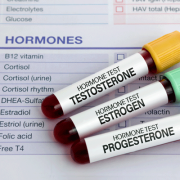
According to a new study, women who use hormone replacement therapy (HRT) may have a reduced risk of dementia. 

The study itself took place in the United Kingdom and was the largest of its kind, tracking over 180,000 post menopausal women. The scientists found that the participants who used HRT were 10% less likely to develop any kind of dementia and 16% less likely to be diagnosed with Alzheimer’s, compared to those who never used it, according to reports

Embed from Getty Images

The study and its findings were published in the journal Alzheimer’s & Dementia, and was led by Professor Anne-Marie Minihane, who is also the director of the Norwich Institute for Healthy Aging at the University of East Anglia. 

Minihane revealed that they saw the greatest risk reduction in women using HRT who also underwent surgical menopause, finding a 26% lower risk of developing any type of dementia compared to women who didn’t use the therapy. 

“While HRT has long been prescribed primarily to relieve menopausal symptoms such as hot flashes and night sweats, this work suggests it may also play a role in long-term cognitive health for some women.”

Women are more likely to develop dementia due to the fact that, statistically, they live longer than men. Scientists also think it could be related to the impact of menopause on their brain metabolism and the impact of the main risk gene for Alzheimer’s being greater on women. 

“We wanted to better understand how HRT could prevent dementia and to assess if particular groups of women may respond differently,” Minihane said

The study used data from the UK Biobank, allowing them to track 183,450 postmenopausal women over about 13 years. Throughout that timespan almost 4,000 cases of dementia were identified, and the scientists looked at whether or not using HRT of any kind for at least one year changed women’s risk of developing dementia. 

Embed from Getty Images

The study also pointed out that women who naturally had lower oestrogen exposure throughout their life, either due to starting their periods late or going through early menopause, would benefit more from HRT, with a 16% lower risk of any kind of dementia. 

Of course, genetics also play a role. Women who carried the Apoe4 gene had a stronger association with HRT use and dementia. 

“This is really important because Apoe4 carriers are typically considered at higher risk and have fewer established prevention options,” said Minihane.

The results of this study are based on observational data rather than a randomized-controlled trial, so there’s no way to prove a causal link.

Dr Susan Kohlhaas, the executive director of research and partnerships at Alzheimer’s Research UK, said

“This study alone isn’t enough to tell us whether HRT should be used to reduce dementia risk, but it provides further evidence that the timing of HRT and a woman’s hormonal history may matter.

“We now need research that can establish whether HRT itself is responsible for these differences in dementia risk and understand which forms of HRT may have an effect.

“Anyone considering starting or stopping HRT should speak to their GP about the potential benefits and risks for them.”

wildfire

Europe’s Wildfire Weather Is Being Fueled By The Climate Crisis 

Major wildfires have been spreading throughout Europe, specifically in Spain and France. According to a scientific analysis, the extreme heat and drought that is fueling these fires is only being exacerbated by the climate crisis. 

Experts from the World Weather Attribution (WWA) consortium calculated that global heating has made hot, dry, and windy weather 20 times more likely in Spain and twice as likely in France. Constant and increased burning of oil, gas, and coal has warmed the planet making extreme weather events such as wildfires much more common in recent years. 

Embed from Getty Images

The end of June saw a major heatwave spread throughout Europe, and has caused an estimated 20,000 deaths. This heat, according to another WWA study, could not have accumulated without the extra heat that has been trapped in the atmosphere from climate change. 

Another study from the group also found that the climate crisis is causing soils to become extremely dry, leading to major drought throughout the continent as well. 

Between the heatwaves and dry lands, a perfect storm was created for wildfires. Studies performed last year also showed that the 2025 wildfires were fuelled by the climate crisis. 

Europe also experienced a wet winter and spring, which allowed extra vegetation to grow, and eventually dry out from the summer’s intense heat, and further allowing wildfires to spark and spread. 

Dr Clair Barnes, a research associate at Imperial College London and part of the WWA study team, said: 

“We’ve seen repeatedly how climate change increases hot, dry, flammable conditions that are extremely conducive to wildfires.”

“What’s unique about [the July fires in Spain and France] is that it’s still early in the season – and with another heatwave looming, these findings are extremely scary. What we’re seeing is a clear sign of the escalating impacts of [human-caused] warming.”

“What we are seeing now in Spain and France goes well beyond what we would expect from past events,” said the director of programs at Red Cross Red Crescent Climate Center, Julie Arrighi. 

Embed from Getty Images

Dr. Augustin Colette at the French National Institute for Industrial Environment and Risks stated

“The smoke increased particulate [pollution] peak levels up to 20 times above what is considered ‘fair air quality’, and extremely poor air quality was felt up to 400 km away from the fires.” 

Since early July, severe wildfires have been burning across Spain and France. More than 300,000 people were forced to leave their homes with thousands being destroyed. The WWA specifically analyzed the seven-day period in which the highest daily severity ratings for each country was recorded. 

They used weather records to establish statistical methods to estimate how much more likely a week of extremely high DSR is in today’s world when compared to the world before mass fossil-fuel burning raised the global temperature, according to the Guardian

The UN’s climate chief, Simon Stiell, said: 

“These European mega-fires show how fast climate-driven extreme heat and dry landscapes can turn wildfires into devastating national disasters.”

“Humanity continuing to burn colossal amounts of coal, oil and gas is making these conditions more dangerous, and these megafires more deadly and destructive. But the solutions are equally clear: all countries must move faster from fossil fuels to renewables and protect people from worsening climate impacts, from wildfires, to megastorms and floods, to droughts hitting food production.”

Antidepressants

New Study Finds Antidepressants And Antipsychotics Can Be An Alternative To Opioids

Opioids have long been used for pain relief in emergency departments, especially in America. Paralleling these prescriptions has been a major opioid crisis in the US, which first began in the 90s and has lasted to this day. Many healthcare workers from all branches of the medical industry have looked towards alternatives to opioids to help reduce the national impact, and most recently it has been found that medications used as antidepressants and antipsychotics, could be a solution. 

According to a new recently published study, these non-opioid medications, that are already available within emergency departments, could also provide pain relief. Akash Shanmugam, a medical student at the University of California, San Francisco (UCSF) and first author of the study, told the Guardian that the goal of this research was to “create a very targeted list for specific pain conditions” that can help physicians all over the country create new “toolboxes” for themselves to treat patients. 

Embed from Getty Images

While opioids do have the reputation of reducing pain effectively, uneven prescriptions and the highly addictive nature of these drugs is what’s currently fueling the opioid epidemic in America. 

The study also provided recommendations for the most common types of pain that patients come into the emergency department for such as abdominal pain, back pain, chest pain, headaches, etc. 

Dr. Kathy LeSaint, an associate professor of emergency medicine at UCSF and fellow author of the study, agreed with Shanmugam regarding the fact that opioids do still have a place in modern medicine, but this study can hopefully lead to a place where it’s not creating addiction problems for patients looking for relief. 

“The desire to reduce opioids shouldn’t come at the expense of under-treating pain.”

Dr. LeSaint also emphasized that even looking beyond concerns regarding opioid addiction and overdose, it’s integral in a general sense to have a variety of medications for pain available that will work from patient-to-patient. 

“The enzymes that are responsible for metabolizing opioids can have different strengths in people,” LeSaint explained, pointing out that the variation is often genetic depending on what medications work for each patient. 

The study examined all sorts of pain medications, starting with common ones like acetaminophen and ibuprofen. They also looked into drugs with “targeted applications” like ketamine, which is used as a common anaesthetic and showed potential for chest pain relief. SNRI (serotonin norepinephrine reuptake inhibitor) antidepressants showed promising results for back pain relief. Additionally, several kinds of antipsychotics could help with headache and abdominal pain. 

Embed from Getty Images

Shanmugam pointed out that psychotropic medications have been used for a while for pain relief in addition to psychiatric symptoms. He gave the example of gabapentin and how it was initially approved to be used as a drug for epilepsy, but “now it’s used a lot for the management of neuropathic pain.” 

He emphasized that the parts of psychotropic medications that make them effective for pain are quite complex, and their efficacy is likely connected to the fact that “neural circuits that create the sensation of pain are also involved in the emotional experience of pain, and the distress that pain produces for human beings.”

“In chronic pain conditions, the nervous system can become highly sensitive, and it’s thought that antidepressants and antipsychotics can maybe reduce this heightened sensitivity in the brain,” Dr. LeSaint added. 

“Chronic pain is often linked to things like poor sleep, depression, anxiety, fatigue,” and medications that help people sleep better and experience less anxiety can also make managing pain easier to deal with. 

Dr. LeSaint emphasized how doctors need to review the evidence and what occurs with the individual patient’s specific symptoms. 

“Talking to them and asking about their prior experience with opioids prior to giving opioids can be really helpful in tailoring the pain regimen for that particular patient, for that particular pain syndrome,” Dr. LeSaint said.

According to Shanmugam, when physicians prescribe psychiatric medications specifically, it’s integral to make sure the patients understand it doesn’t mean the pain is mental. 

“I’ve seen a lot of clinicians use the basic science approach of explaining that there’s a lot of overlap between the pain mechanisms and also the emotional understanding of pain, that really helps reassure patients.”

New Research Finds Nearly Half Of All Dementia Cases Could Be Delayed Or Prevented 

In a new study from some of the world’s leading experts in dementia, it was found that almost half of the global cases of the disease could be prevented or delayed, specifically pointing out 14 risk factors that exist throughout a patient’s life.

pill

New Experimental Pill Offers Hope For People With Advanced Pancreatic Cancer 

A new novel pill is reportedly helping people with advanced pancreatic cancer, one of the deadliest, live longer, according to new research recently published in the New England Journal of Medicine and presented at the American Society for Clinical Oncology (ASCO).

“While not curing the cancer, it is a very large step forward,” said Dr. Zev Wainberg of the University of California, Los Angeles, who helped lead the study. 

Embed from Getty Images

The new drug is called daraxonrasib, and it works by blocking a mutated protein that fuels tumor growth in over 90% of pancreatic cancer cases. Pancreatic cancer is also known for being very deadly with very little viable treatment options. 

The pills are meant to be taken daily and have shown to nearly double one’s survival time with fewer side effects in a study that randomly assigned the experimental drug or more chemotherapy to 500 patients with metastatic cancer that have stopped responding to other treatments, according to reports from AP

The research showed that those who took daraxonrasib lived for an average of 13.2 months compared with 6.7 months for chemotherapy recipients. Dr. Wainberg said while this may seem like a small improvement, it marks the first drug to show a substantial advantage over chemotherapy. 

“Having treated pancreatic cancer for 16 years, I actually started crying when first seeing the study results,” Dr. Rachna Shroff of the University of Arizona Cancer Center, said at the ASCO meeting. 

“[I was struck by how] patients stayed on this treatment because it was providing a durable and meaningful benefit to them.”

The pills’ effects eventually decrease but those taking it for significantly longer than the chemotherapy group reported less pain and a better quality of life. Many continued to use the medications after the data was analyzed. Dr. Wainberg stated this means the survival gap may widen as researchers continue to track them. 

Embed from Getty Images

Dr. Brian Wolpin, of the Dana-Farber Cancer Institute, presented the findings and said “the drug should become a new standard of care” for previously treated metastatic pancreatic cancer. Researchers also will explore its use earlier in the disease, including to see if tumor shrinkage might let more patients qualify for surgery,” AP reported. 

He also said the side effects most likely to impact the treatment course were a rash that can become severe and mouth sores. 

The Food and Drug Administration is planning to expedite their review of the drug because of its success. It was developed thanks to funding from Maker Revolution Medicines. The agency is granting “expanded access” to the drug for patients who meet the criteria. 

Pancreatic cancer is one of the most deadly forms due to the fact that it’s hard to detect before it starts spreading throughout the body. The American Cancer Society estimates around 67,000 new cases will be diagnosed in the US this year with more than 52,000 people dying from the disease. 

Pancreatic cancer is also harder to treat and doesn’t respond to chemotherapy the same way other cancers do. This drug is leaving a lot of experts very optimistic about the future of treating this deadly disease, as well as other cancers.

HPV vaccine

New Study Emphasizes The Importance Of Men And Boys Getting The HPV Vaccine 

The HPV vaccine is widely known, and has been historically framed, as protection against cervical cancer in women. Now, according to a large new study published in JAMA Oncology, young men and boys who received the human papilloma virus, HPV, vaccine had around half the risk of developing related cancers compared to those who were unvaccinated. 

Embed from Getty Images

The study wants parents of both young men and women to do the research to learn more about what HPV is in general, the cancers it’s linked to, and the benefits of the vaccine. 

CNN wellness expert Dr. Leana Wen, an emergency physician and adjunct associate professor at George Washington University who was previously Baltimore’s health commissioner, recently spoke to the publication regarding this new study. 

HPV is an extremely common virus transmitted through intimate skin-to-skin contact. The vast majority of those who are sexually active will be exposed to it at some point in their lives.”

“This applies to both men and women. According to the National Cancer Institute, nearly all sexually active people are infected with HPV within months to a few years of starting sexual activity,” Dr. Wen explained to CNN

“About half of these infections are with a high-risk HPV type that increases the likelihood of developing cancers. Most infections go away on their own as the immune system clears them, but some persist and can cause cellular changes that can become cancerous over time.”

Wen explained that HPV is linked to a range of cancers in both men and women. In women, it’s most commonly linked to cervical cancer, but it can also cause other cancers in the vagina and vulva. In men, HPV is linked to cancers of the penis, anus, head, and neck. 

Over 90% of anal cancer is caused by HPV. Oropharyngeal cancer, also called throat cancer, is highly associated with HPV as well, with about 70% attributed to HPV. And more than 60% of penile cancer is caused by HPV,” Wen pointed out. 

The study that Wen is citing utilized a global database of over 615,000 men aged 9 to 26 who received the nonvalent HPV vaccine and over 2 million who did not. The researchers analyzed about half a million individuals from each group that were concluded to be comparable. 

Embed from Getty Images

“They found that men who were vaccinated had a significantly lower risk of developing HPV-related cancers. Overall, vaccination was associated with about a 46% reduction in risk, meaning those who received the vaccine had roughly half the risk compared with those who were unvaccinated,” Wen said. 

“The benefit was seen across different groups studied. Those vaccinated between ages 9 and 14 had about a 42% lower risk, while those vaccinated between 15 and 26 had about a 50% lower risk.”

The US Centers for Disease Control and Prevention recommends routine vaccination of preteens at 11 or 12-years-old. The HPV vaccine can be given at the same time as other vaccines. 

The American Academy of Pediatrics recommends routine HPV vaccination for all adolescents starting between 9 and 12-years-old. Getting your children vaccinated during their earlier years “focuses on the goal to vaccinate before any exposure to HPV occurs.

According to the AAP, there is no known downside to starting HPV vaccinations early. The immune response is strong at younger ages, and there has not been evidence of significant waning protection,” Wen cited

To parents who may be skeptical, Wen emphasized the importance of speaking with their medical provider, but also that the main component of this vaccine is its ability to prevent cancer later in life. 

“This vaccine is about preventing cancer. It protects against infections that can lead to serious disease many years later. We now have strong evidence that it benefits everyone. The safety profile of the vaccine is well-established, and the effectiveness in preventing HPV-related disease is very high. As a mom of two children, choosing vaccination is an opportunity to reduce the risk of serious illness for our children in the future.”

walking

The Right Kind Of Exercise Can Help Improve Your Memory, Research Shows 

According to new research, doing aerobic and/or cardio exercise is an easy way for someone to help give their memory an instant boost when trying to learn new information. 

It’s been known for a while that exercise boosts cognition in general. Physical activity helps improve how well we perform tasks while simultaneously strengthening our brain areas that are vulnerable to aging. It’s also been shown that exercise helps slow down cognitive decline. 

Embed from Getty Images

Physical activity and exercise can help strengthen the hippocampus, which is the area of the brain most important for memory. Moderate exercise a few times a week has been found to increase the size of the hippocampus. 

Other studies, according to BBC, have shown that the timing of the exercise can make a difference in memory retention as well. One example showed that going on a walk for four hours directly after learning something new can help you remember the information better. Stretching exercises, however, did not show any relation to an improvement in memory. 

Neuroscientists recently published their research in Oxford Academic, which followed 14 people’s brain activity immediately after exercise. They found that their brains had tiny bursts of electrical activity between neurons, which are important for storing memories. 

Known as “brain ripples,” these bursts are a phenomenon where many neurons activate together, according to Michelle Voss, a neuroscientist at the University of Iowa who led the study

She explained that the neurons “play a key role in how the brain packages and stores memories during sleep and periods of quiet rest,” BBC reported

Embed from Getty Images

The team of researchers monitored the brains of participants to see what would happen after a brief burst of activity. They found that after exercise there was a spike in ripples in the hippocampus and the surrounding areas attached to it. 

“These pulses were also more finely synchronised with neural activity in the rest of the brain,” Voss said.

Voss and her team collaborated with neurosurgeons who monitor electrical activity in patients who were going through evaluation for epilepsy surgery. The patients temporarily had electrodes implanted in their brains so the teams could observe activity before and after exercising.  

“That presents us with a unique opportunity to understand how the human brain works with direct measurements of electrical signalling, which is the primary currency of how the brain works,” Voss stated.

Voss is hoping that overall this research will further fuel the reframing of public health messaging regarding physical activity, aging, and memory retention. She also hopes that it will inspire more research that can help protect our brains from cognitive decline. 

 Another study found that the more we exercise, the more our brains benefit, even after a single workout.  

“There’s a reason to stay active because you will benefit more every time,” says Flaminia Ronca, an exercise physiology researcher at University College London in the UK, who led the study. 

“If you stick with exercise for six weeks, you will reap bigger benefits from any further sessions.”

ai

 AI Toys Are On The Rise, Experts Want Them More Strictly Regulated 

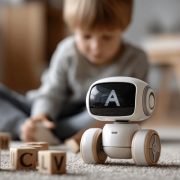
Developmental psychologists from the University of Cambridge have recently performed a study in which they analyzed the impact of toys that use artificial intelligence on children. The researchers concluded that these products need to be more tightly regulated as they struggle with social and pretend play, misunderstand kids, and react inappropriately to certain emotions. 

Embed from Getty Images

AI toys that have the ability to “talk” to kids need to be “more tightly regulated to ensure psychological safety by limiting toys’ ability to affirm friendship and other sensitive relational areas with young children,” according to Dr. Emily Goodacre, a developmental psychologist at the University’s faculty of education.

“Because these toys can misread emotions or respond inappropriately, children may be left without comfort from the toy, and without emotional support from an adult, either,” said Dr. Goodacre. 

“A recurring theme during focus groups was that people do not trust tech companies to do the right thing. Clear, robust, regulated standards would significantly improve consumer confidence,” Professor Jenny Gibson, the study’s co-author, said. 

One of the toys they looked at is known as Gabbo, a soft plushie with a computer screen face. The Guardian reported that during the research, a three-year-old boy named Josh kept asking the toy “Are you sad?” until it replied it was “feeling great. What’s on your mind?” Josh said: “I’m sad,” to which the toy replied: “Don’t worry! I’m a happy little bot. Let’s keep the fun going. What shall we talk about next?”

Gabbo is made by Curio, a US company which also helped with the study. The toy was tested with 14 three to five-year-olds. 

“[There’s] wide uncertainty and fear about unknown implications or impacts on children.” Specifically, the team was concerned over how the kids may not be able to fully engage in imaginary play with the toy, as well as where the data from the conversations with the children end up. 

“[The toy] couldn’t quite figure out when the kid was doing something pretend,” said Goodacre. 

Embed from Getty Images

“A child would say: ‘Hey, look, I’ve got you a present’. And it would say: ‘I can’t see the present. I don’t have any eyes.’ As an adult, it’s really obvious that even if I had my eyes closed, I would know that that was pretend play initiation.”

“Playing with AI toys could weaken children’s imaginative muscle,” she said.

“Something both the early years practitioners and the parents we spoke to were quite concerned about was that children don’t have to imagine any more, and that the toy might get them out of the habit of imagining.”

“I would hope that these AI toys could help children to engage in imaginary play … That doesn’t seem to be what we’ve observed so far,” she said. 

“Child safety guides every aspect of our product development, and we welcome independent research that helps improve how technology is designed for young children,” Curio stated

“[We] believe research like this helps advance understanding of both the opportunities and current limitations of early AI-powered play experiences”.

“Applying AI in products for children carries a heightened responsibility, which is why our toys are built around parental permission, transparency and control,” they added

“Observations such as conversational misunderstandings or limits in imaginative play reflect areas the technology continues to improve through an iterative development process, and further research into how children interact with AI-powered toys is a top priority for Curio this year and in the future.”

ozempic

GLP-1s, Like Ozempic And Wegovy, May Increase Risk Of Osteoporosis And Gout 

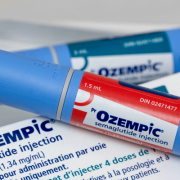
Ozempic, Wegovy, and other GLP-1 alternatives have risen in use and popularity throughout the world in recent years. Now, according to new research presented at the American Academy of Orthopaedic Surgeons annual meeting, these medications could increase the risk of experiencing osteoporosis and gout. 

Dr. John Horneff, an associate professor of orthopedic surgery at the University of Pennsylvania and lead author of the study, said that he initially started looking into this connection after treating some patients who were developing tendon tears after relatively minor injuries, according to NBC News

Embed from Getty Images

This initial notice from Dr. Horneff led him, and other experts, to look into whether or not GLP-1s might impact bones or connective tissues. 

“People are taking these medications, and obviously there’s a tremendous amount of upside. But with that, they start to decrease their intake of food and nutrients,” Dr. Horneff said

Osteoporosis is a disease that weakens the bones and makes them more prone to breaks or fractures. It’s also a common concern for any older adult who loses a significant amount of weight over a short period of time. Gout, on the other hand, is a painful form of arthritis that occurs when the body has too much uric acid. 

Uric acid increases in the body from a diet highly concentrated in red meat and alcohol, as well as rapid weight loss being a factor. The study wrote how researchers analyzed five years of medical records from more than 146,000 adults with a diagnosis of both obesity and Type 2 diabetes. 

The study also compared patients who took GLP-1 drugs and those who didn’t. Around 4% of GLP-1 users developed osteoporosis, compared to a little over 3% of nonusers, with an increased risk of about 30%. 

Rates of gout were also slightly higher with 7.4% for GLP-1 users and 6.6% for nonusers with an increased risk of 12%. 

“It’s not huge. But within that data that was put in there, you even saw nearly a doubling of the risk of having some sort of bone mineral density issue at five years,” Dr. Horneff said.

Embed from Getty Images

“Weight loss does cause bone loss,” said Dr. Clifford Rosen, a professor of medicine at Tufts University who was not involved in the research but has been studying the impact of GLP-1s on bone health.

“The question we’ve been studying is whether this is a normal compensation of the skeleton, it’s just reshaping itself, or whether this is truly a risk for losing bone that’s more rapid than what would be expected,” Rosen said.

On the opposite side, Dr. Susan Spratt, an endocrinologist, wondered if the increased risk of these conditions was due to rapid weight loss or other mechanisms within the drugs. She mentioned that some studies have shown musculoskeletal benefits with GLP-1 drugs, and she often sees actual improvements in joint pain from her patients taking the medication. 

Dr. Horneff says that in general, more research needs to be done to make a true conclusion, but it’s definitely worth looking into. 

“It’s the same idea as when we always hear about astronauts going up into space and they’re in a gravity-zero environment for too long,” Horneff said. 

“There’s nothing forcing their bones to kind of hold their weight anymore. And a lot of those astronauts come back with low bone density. So the thought is, these patients, their skeleton was used to kind of maintaining one frame, and then all of a sudden, that’s being decreased.”

“For gout, rapid weight loss can lead to a temporary spike in uric acid increasing the risk of gout,” he said

Short Sightedness

Why Short-Sightedness Cases Are Increasing Rapidly Around The World 

Myopia is the term used to describe what is more commonly referred to as short/near-sightedness. Cases of Myopia are increasing rapidly around the world, and a new study is trying to explain why. 

Embed from Getty Images

Researchers from the State University of New York (SUNY) College of Optometry, stated that while our modern tendency to spend more time indoors is definitely a contributor, increased screen time is not the only driver in this unusual increase. 

The team, according to Science Alert, ran lab tests on 34 volunteers, 21 who have myopia, and 13 with standard vision. The participants were given square targets that varied in brightness and contrast to focus on multiple times, one eye at a time. 

Eye behavior that was recorded in patients with myopia showed that activities and tasks that require close-up viewing could be contributing to their short-sightedness due to the way the pupil constricts to limit how much light enters the eye. 

“Myopia has reached near- epidemic levels worldwide, yet we still don’t fully understand why,” said visual neuroscientist Jose-Manuel Alonso.

“Our findings suggest that a common underlying factor may be how much light reaches the retina during sustained near work – particularly indoors.”

The reports show that the researchers wanted to look at three specific behaviors associated with looking at nearby objects: how the eyes focus, how they turn inward, and how the pupils constrict. They made adjustments to accommodate for the ON/OFF pathways in the retina, which is responsible for processing light and darkness. 

Weaker ON pathways have been connected to myopia but the underlying mechanism hasn’t been completely clear, the researchers stated. They also found that contrast matters more than brightness when it comes to the eyes turning inwards and the pupils shrinking. 

Embed from Getty Images

“In bright outdoor light, the pupil constricts to protect the eye while still allowing ample light to reach the retina,” said optometry doctoral student Urusha Maharjan.

“When people focus on close objects indoors, such as phones, tablets, or books, the pupil can also constrict, not because of brightness, but to sharpen the image. In dim lighting, this combination may significantly reduce retinal illumination.”

So one of the biggest arguments now being made is that blurry vision is not the only factor that triggers or worsens myopia, but also a lack of light, which could help explain why corrective lenses that are too strong can actually hinder an individual with myopia. 

“Our results support the hypothesis that myopia develops in children with poor retinal stimulation,” the researchers report.

This study is just one step in reaching an actual solid conclusion, as it utilized a small sample of people whose eyesight wasn’t measured over time or compared in outdoor versus indoor conditions. 

“This is not a final answer. It’s a hypothesis grounded in measurable physiology that brings together many pieces of existing evidence,” Alonso said.

“More research is needed, but it gives us a new way to think about prevention and treatment.”

The research was published in Cell Reports.